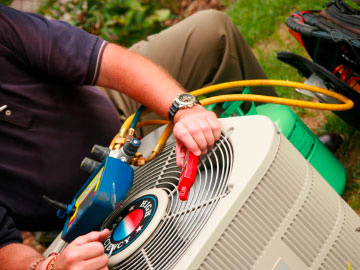
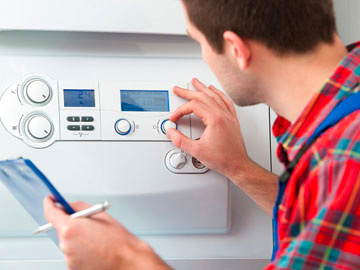
Homeowners often face the question of whether to repair or replace HVAC equipment because performance issues appear gradually. This question typically comes up after a season of uneven comfort or rising energy bills.
Heating and cooling shape daily comfort and long-term energy use, which makes the decision important for every household. Choosing the right path involves more than price. It also depends on efficiency goals, safety, and the expected lifespan of the system.
The Turning Point for Aging HVAC Equipment
Every HVAC system reaches a stage when performance declines enough to raise concerns.
Some homes experience weak airflow, while others notice that rooms take much longer to reach a comfortable temperature. These early signs often prompt questions about underlying causes.
Homeowners must determine if the problem is minor or if the system is approaching the end of its service life. Evaluation depends on factors such as system age, repair history, and recurring symptoms throughout the year.
Signs That Suggest Repair May Still Be Practical
Some issues stem from relatively small faults. Dirty coils reduce heat transfer, clogged filters limit airflow, and minor electrical glitches disrupt thermostat communication. These problems often respond well to basic service.
Routine maintenance can correct efficiency decline and prevent extra strain on components, extending the life of systems that remain structurally sound.
Current comfort levels also play a role in deciding to repair. If a home maintains steady temperatures after the system completes its cycle, targeted repairs can resolve intermittent interruptions.
Homeowners who schedule seasonal maintenance often catch issues early, preventing minor problems from escalating into major faults. Acting early supports smoother operation and reduces the need for more expensive repairs later.
When Repairs Become Too Frequent
Repeated breakdowns serve as one of the strongest signs that it is time to evaluate replacement. A furnace that shuts off before reaching the target temperature or an air conditioner that constantly short-cycles signals considerable wear.
These behaviors increase power consumption and create pressure on moving parts. Recurring failures also inflate expenses over time. A pattern of repeated calls for HVAC service & repair can raise the total cost far above the price of a new system. Homeowners sometimes ask if repairs are still worthwhile when the system shows intermittent performance.
The answer depends on the nature of the failing component. A fan motor or capacitor is usually pretty straightforward to deal with. When damage extends to heat exchangers, compressors, or refrigerant circuits, repair costs can escalate quickly.
Evaluating whether to repair or replace HVAC equipment becomes critical when recurring issues threaten long-term reliability.
Age Matters More Than Many Homeowners Realize
Equipment age greatly influences this decision. Modern furnaces and air conditioners typically operate efficiently for fifteen years or more, although usage patterns affect longevity. Older systems that have passed their expected service life may not offer lasting value, even if a repair temporarily resolves an issue.
Subsequent failures often appear shortly after initial repairs. Aging components lose reliability in clusters, meaning one repair can trigger another during the same season. Systems installed decades ago also lag behind current efficiency standards.
Newer units deliver better temperature control with lower operating costs. Homeowners seeking cleaner air, quieter operation, and more stable comfort often find replacement more practical than investing in outdated equipment.
When a Furnace Shows Signs of Decline
Winter reveals mechanical stress in distinct ways. Weak heat output, burner problems, or erratic cycling often trigger questions such as “Do I have a struggling furnace?”
These issues tend to surface when the equipment can no longer maintain consistent operation under seasonal load. A struggling furnace usually signals more than a dirty filter. It can point to aging ignitors, deteriorated heat exchangers, or airflow restrictions caused by wear.
A technician can diagnose these conditions with diagnostic tools and system testing. A repair may be suitable provided the rest of the furnace remains stable. Replacement becomes more realistic once the internal damage threatens safety or compromises temperature consistency throughout the home.
Why Early Action Matters for HVAC Problems
Small warning signs rarely resolve themselves. Rattling noises, unusual odors, inconsistent temperatures, or rising power bills often indicate deeper issues.
Homeowners… don’t ignore signs of trouble when they first appear! Acting early can prevent more serious damage and help maintain comfort and system efficiency.
Responding quickly limits strain on major components. Ignoring symptoms puts stress on the entire HVAC system. Timely evaluation protects comfort and energy efficiency before minor problems spread. Early action also safeguards indoor air quality, as declining HVAC performance reduces ventilation and increases airborne particles.
Dust accumulation or new allergy symptoms may appear during this time. Minor repairs completed early to restore proper airflow and help maintain a comfortable home environment.
When Replacement Brings the Greatest Value
Replacement becomes appealing when energy savings offset the investment. New systems feature advanced compressors, tighter refrigerant management, and smart controls that reduce energy use.
Modern furnaces offer higher AFUE ratings, converting more fuel into usable heat. These upgrades cut monthly bills and reduce strain during peak seasons.
Replacement also appeals to homeowners seeking long-term peace of mind. A new system removes the uncertainty of unexpected breakdowns. Modern units include updated safety features, smart thermostat compatibility, and improved airflow management across multiple rooms. Homes with older ductwork may benefit from installation adjustments that improve temperature balance.
Cost Questions Homeowners Often Ask
Homeowners often wonder how to evaluate long-term costs. Repairs may seem smaller initially, but cumulative expenses can exceed the cost of a new system. Replacement often provides stronger value when the system is older, less efficient, or prone to failures. New units reduce energy use, lower monthly bills, and minimize the likelihood of surprise costs.
Questions about pricing often lead to interest in HVAC sales and installation options. Many families explore system types, efficiency ratings, and financing paths before making a final decision. Knowing the full cost picture helps homeowners choose a solution that supports comfort goals without unnecessary stress.
Choosing the Right Path With Us at K & K Heating and Cooling
Our team knows how confusing these decisions can feel since every home faces different performance challenges. We take the time to evaluate your entire HVAC system, so you receive clear insights about its condition.
We service all major residential HVAC brands, and our NATE-certified technicians use advanced diagnostic tools that reveal underlying issues with precision. We aim to give every homeowner a calm, informative experience that supports confident decision-making.
We focus on long-term comfort rather than short-term pressure. Our approach involves a complete analysis of the system along with thoughtful explanations of repair and replacement paths so you can choose what fits your home.
Many repairs qualify for a one-year parts and labor warranty, and our same-day repair goal depends on part availability. Our financing options support families who prefer spreading out the cost of a new system. We believe every homeowner deserves a comfortable living without unnecessary stress.
If you have any questions about K & K Heating and Cooling, feel free to contact us.