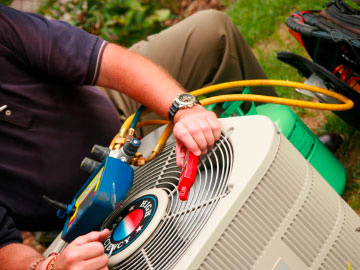
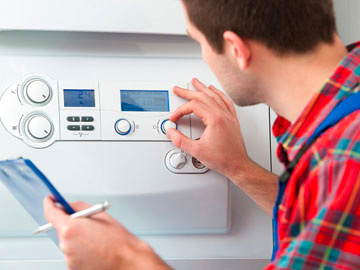
There is an important HVAC choice that affects comfort and cost across seasons and regions. This forces households to replace old units while seeking better efficiency and indoor comfort under cost pressure at home.
The debate around choosing a package unit vs. split system draws careful attention due to installation limits, climate factors, and energy behavior that influence long term comfort in residential environments across many homes across the country.
We at K & K Heating and Cooling deliver expert residential system installation, and our certified HVAC service technicians in Cuyahoga County bring skill, training, and reliable service that make us a trusted leader for comfort and indoor air quality.
Key Components Found in a Residential Split System
A split system places the condenser outdoors and the air handler indoors, connected by insulated copper refrigerant lines. A thermostat coordinates heating and cooling cycles while managing airflow and temperature control.
This configuration keeps major noise sources outside the living space and promotes steady indoor temperatures through coordinated operation during changing seasonal demands.
Key Components Found in an HVAC Package Unit
This configuration places the condenser, evaporator coil, blower, and controls inside one metal cabinet that sits outside or on a rooftop pad.
This single-cabinet format uses a short duct path that connects directly to indoor supply and return ducts without indoor equipment. This setup reduces indoor space use and groups all mechanical parts together for streamlined outdoor placement in residential settings.
Installation Requirements for Residential Split HVAC Systems
Split systems position the condenser on an exterior pad while the air handler mounts inside a closet, attic, or basement. Installation includes refrigerant lines, drain piping, and electrical connections that link both sections. Proper duct sealing and balancing during setup help distribute conditioned air evenly throughout the home.
Installation Requirements for Packaged HVAC Unit Systems
Packaged units are installed outdoors on a level surface with required clearances for airflow and service access. Short duct runs pass through an exterior wall or roof curb to connect with indoor supply and return ducts. Keeping equipment outside preserves interior space while maintaining controlled airflow through thermostat communication.
Energy Efficiency Comparison Between Split and Packaged Systems
Efficiency comparisons show that split systems often reach higher seasonal performance ratings due to larger indoor coils and balanced airflow. This performance can reduce electricity use during peak cooling periods while supporting consistent comfort.
In moderate climates, a packaged unit may perform competitively, especially where short duct paths minimize energy loss within the package unit vs. split system evaluation.
Noise Levels in Split Systems vs. Packaged Units
Split systems tend to generate less indoor noise because the compressor operates outside and the indoor blower runs at moderate sound levels. Most operational noise remains outdoors, keeping living spaces quieter during daily operation. This separation benefits bedrooms and home offices where sound sensitivity matters.
Packaged units also place components outside, yet blower noise can travel through ductwork, which slightly affects indoor sound levels. Noise preference often influences the package unit vs. split system choice for occupied homes.
Climate Considerations for Residential Split HVAC Designs
Split systems adapt well to diverse climates through flexible coil sizing, adjustable airflow settings, and multiple heat pump configurations. This adaptability supports efficient cooling in humid regions and dependable heating during mild or variable winters.
System flexibility allows homeowners to adjust performance as weather patterns shift year to year. Pairing options such as electric heat strips or gas furnaces helps maintain balanced comfort and steady output across seasonal changes in different geographic areas.
Climate Considerations for Residential Packaged HVAC Units
Packaged systems perform best in milder regions where outdoor placement avoids severe freezing that places stress on compressors and coils. These units handle cooling demands effectively in warmer states, with rooftop placement remaining common where snowfall stays minimal.
Consistent outdoor conditions support reliable airflow and component lifespan. Accessibility remains convenient for service as long as local weather patterns do not create moisture buildup, airflow restriction, or cabinet deterioration over time.
Maintenance Needs for Split Systems and Packaged Units
Split systems require indoor coil cleaning, routine filter replacement, outdoor coil inspection, and refrigerant monitoring to maintain stable operation. Scheduled service supports consistent airflow, comfort control, and predictable energy use. Indoor components stay protected from harsh weather, which can reduce wear.
Packaged units concentrate all maintenance outdoors, where exposure to dust, rain, and heat may increase cleaning frequency and require closer attention to seals, panels, and cabinet condition.
Cost Differences Between HVAC Packaged and Split Systems
Split systems often involve higher installation labor because refrigerant piping, electrical connections, and indoor equipment mounting add complexity and time. This upfront cost can deliver long-term savings through stronger efficiency and steadier performance in many regions.
Packaged units usually install at a lower initial price point, though outdoor exposure may influence repair needs and component lifespan. Budget planning often weighs these factors within the package unit vs. split system evaluation.
Which HVAC System Fits Residential Comfort Needs
System selection depends on available space, climate conditions, sound sensitivity, and energy priorities rather than a universal solution that fits every household. Home layout, regional weather patterns, and long-term comfort expectations all influence this decision.
Split systems suit homes where quiet operation, indoor coil placement, and higher efficiency matter across changing climates. Packaged units suit properties with limited indoor space and stable outdoor conditions that support uninterrupted cabinet operation, consistent airflow, and simplified exterior equipment placement.
Get Dependable Residential HVAC Results From K & K Heating And Cooling Without Stress Today
Experience reliable home comfort with our team at K & K Heating and Cooling as we handle residential installation, maintenance, and repair. We service furnaces, air conditioners, heat pumps, and indoor air quality equipment, and we support households with honest guidance and dependable workmanship.
Reach out for affordable HVAC system installation in Parma Heights, OH and gain value from NATE-certified technicians who aim for same day repair. We operate as a local heating and cooling repair company in Ohio and K & K Heating and Cooling backs most repairs with a one-year warranty on parts and labor coverage.