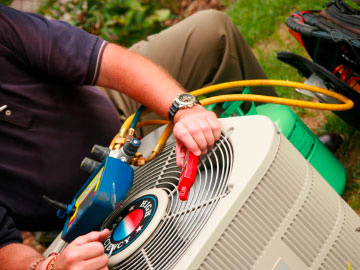
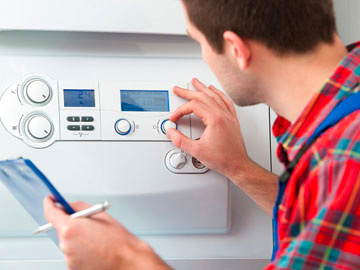
Proper residential furnace maintenance ensures a warm and comfortable home throughout the cold months. To keep your furnace running smoothly and avoid unexpected breakdowns, it’s important to implement a regular care routine. Homeowners in Northeast Ohio should take proactive steps to maintain their heating systems for better efficiency and safety.
Schedule Regular Professional Furnace Inspections Annually
Having your furnace inspected by a professional every year ensures it remains in good working order. An HVAC technician will thoroughly check the system for any signs of wear and tear, clean critical components, and perform adjustments to ensure it operates efficiently. Regular inspections help identify potential issues early, preventing unexpected breakdowns and extending the lifespan of your furnace.
Replace Air Filters to Improve Airflow Efficiency
Changing your furnace’s air filters regularly is key for maintaining good airflow. Dirty filters restrict air movement, forcing the furnace to work harder and increasing energy consumption. By replacing the air filters every one to three months, you enhance air quality in your home and ensure the furnace operates at optimal efficiency, helping reduce energy bills and prolong the unit’s life.
Clean Furnace Components to Ensure Proper Functioning
Dirt and dust can accumulate inside your furnace over time, causing reduced efficiency and potential damage to internal parts. Cleaning critical components like the blower, burners, and heat exchanger ensures the furnace functions correctly and distributes heat evenly throughout your home. Routine cleaning also helps prevent unnecessary wear on parts, which can save you from expensive repairs later on.
Check Thermostat Settings for Accurate Temperature Control
Ensuring that your thermostat is set correctly helps maintain a comfortable indoor temperature while preventing the furnace from overworking. Checking and adjusting the thermostat settings regularly guarantees accurate temperature control and reduces energy usage. A properly calibrated thermostat ensures the furnace operates efficiently, providing consistent warmth during the colder months.
Inspect Furnace for Leaks or Blockages in Vents
Inspecting your furnace for any blockages or leaks in the venting system is vital for proper airflow and safe operation. Blocked or leaking vents can lead to reduced furnace efficiency and may even pose safety risks like carbon monoxide buildup. Ensure that all vents are clear of obstructions, such as dust, debris, or furniture, allowing the furnace to distribute heat effectively throughout your home.
Blocked vents can restrict the flow of air, reducing the overall performance of your furnace and causing uneven heating throughout the house. Blockages can also lead to safety hazards, as they may cause dangerous gases to back up into your living spaces. Regular inspections can help you identify and address these issues before they escalate, keeping your home warm and safe.
Test Carbon Monoxide Detectors for Safety Assurance
Testing your carbon monoxide detectors regularly ensures they are functioning properly and can alert you in case of dangerous gas leaks. Carbon monoxide is a colorless and odorless gas that can be harmful if it accumulates inside your home due to a malfunctioning furnace. Installing detectors and checking their batteries monthly is a critical safety step that protects your household.
Seal Ducts to Prevent Heat Loss in Winter
Sealing your furnace’s ducts helps prevent heat loss, ensuring that warm air reaches every room in your home. Leaky ducts can cause heated air to escape before it reaches its destination, making your furnace work harder to maintain a comfortable temperature. Properly sealing the ductwork increases energy efficiency and ensures your furnace can keep your home warm without unnecessary strain.
Clear Debris Around Furnace for Unobstructed Airflow
Keeping the area around your furnace clear of debris allows for proper airflow and helps the system operate more efficiently. Items stored too close to the furnace can obstruct air circulation, causing the unit to overheat or function improperly. Regularly cleaning and organizing the space around your furnace ensures that nothing interferes with its ability to distribute heat effectively throughout your home.
Lubricate Moving Parts to Reduce Wear and Tear
Lubricating the moving parts of your furnace, such as the blower motor and fan, ensures smooth operation and reduces the wear caused by friction. Over time, lack of lubrication can lead to parts grinding against each other, causing unnecessary damage and shortening the life of the system. Regular lubrication helps the furnace run quietly and efficiently, reducing the likelihood of costly repairs.
Friction between moving parts can cause the furnace to operate less efficiently, leading to higher energy consumption and potentially costly damage. Keeping all components well-lubricated ensures they function properly and reduces strain on the system, allowing your furnace to work effectively without wearing down prematurely.
Monitor Pilot Light for Consistent and Safe Ignition
The color and behavior of your furnace’s pilot light can provide important clues about the system’s condition. A steady blue flame indicates that the gas-to-air ratio is correct and that the furnace is operating safely. If the flame turns yellow or flickers, it may signal a problem with the furnace’s ventilation or a leak in the gas supply. These issues can lead to inefficient heating, higher energy bills, or even hazardous conditions like carbon monoxide buildup. Regular monitoring of the pilot light helps you catch these issues early.
If you notice any changes in the color or steadiness of the flame, it’s important to have the furnace inspected by a qualified technician. Attempting to fix gas-related problems on your own can be dangerous, so professional assistance is always recommended. Proper maintenance of the pilot light not only improves the furnace’s performance but also ensures the safety of your household. Regular checks help maintain the overall health of the heating system, providing peace of mind and efficient heating throughout the winter.
Keep Furnace Room Well-Ventilated and Clean
Proper ventilation in the furnace room is crucial for the safe and efficient operation of your heating system. Furnaces need a steady supply of fresh air to function properly, as restricted airflow can cause overheating and inefficient combustion. Keeping the area well-ventilated helps ensure that combustion gases are properly exhausted, reducing the risk of dangerous gas buildup, such as carbon monoxide, inside the home. Ensuring that there is no clutter or debris near the furnace allows it to operate at its best, preventing unnecessary strain on the system.
A clean and organized furnace room not only supports better airflow but also minimizes fire hazards. Items such as flammable materials or dust buildup near the furnace can pose significant risks, so keeping the area free of obstructions is important.
Additionally, regularly dusting the room and wiping down nearby surfaces will prevent dirt and debris from being drawn into the furnace, extending its lifespan and promoting smoother operation. Overall, a clean, well-ventilated space helps your furnace run more efficiently and safely, giving you reliable performance during the cold months.
Calibrate Thermostat for Optimal Energy Savings
An improperly calibrated thermostat can lead to unnecessary heating cycles, causing your furnace to work harder than needed. Over time, this not only increases your energy bills but also puts additional strain on the system, leading to potential breakdowns. Calibrating your thermostat ensures that it reads the room’s temperature accurately, allowing the furnace to heat your home efficiently. This small adjustment can have a big impact on overall energy savings, helping you maintain a comfortable indoor environment without wasting energy.
Thermostat calibration is especially important during the colder months when the furnace runs more frequently. Inaccurate readings may cause the furnace to kick on too early or too late, leading to temperature inconsistencies throughout your home. By regularly checking and calibrating your thermostat, you ensure that your heating system operates smoothly, minimizing wear and tear on the furnace. This proactive step not only saves energy but also extends the life of your heating equipment, providing reliable warmth throughout the season.
Upgrade to Programmable Thermostats for Convenience
Switching to a programmable thermostat allows you to set a heating schedule tailored to your lifestyle, improving energy efficiency. A programmable thermostat lets you adjust the temperature automatically when you are away or asleep, saving energy when heating is not needed. This upgrade enhances the convenience and control you have over your furnace, making it easier to maintain a comfortable home environment without wasting energy.
By setting a specific schedule, you can ensure your home stays warm when you need it while reducing unnecessary heating during off-hours. This simple upgrade can lead to significant energy savings, helping both the environment and your wallet.
Check Furnace Belts and Replace if Worn
Furnace belts are responsible for powering the blower and circulating warm air throughout your home. Checking these belts regularly for signs of wear ensures they function properly and prevents unexpected breakdowns. If you notice any cracks, fraying, or looseness in the belts, replacing them promptly will keep your furnace running smoothly and avoid unnecessary repairs.
Flush Condensate Drain Line to Prevent Build-Up
The condensate drain line in your furnace plays a vital role in removing excess moisture generated during the heating process. If this moisture is not properly drained, it can lead to the growth of mold, mildew, or bacteria inside the system, affecting air quality and causing health risks for your household. Over time, debris such as dirt, dust, and algae can accumulate inside the drain line, leading to blockages. When the line becomes clogged, water can back up into the furnace, causing leaks and potential water damage to surrounding areas.
Flushing the condensate drain line regularly helps prevent these issues. By using a mixture of water and vinegar or a special cleaning solution, you can clear out any blockages and ensure that moisture flows out of the system efficiently. This simple maintenance task helps protect your furnace from costly repairs and ensures the heating system operates smoothly without the risk of water damage or mold buildup. Regular flushing also promotes a healthier indoor environment, preventing moisture-related problems that could affect your home’s air quality.
Adjust Furnace Blower Settings for Efficient Heating
The furnace blower is responsible for distributing warm air throughout your home, making it vital to ensure that it is set to the appropriate speed for your heating needs. When the blower is set too high, it can cause certain rooms to heat more quickly than others, leading to uneven temperatures and drafts. Conversely, if the blower is set too low, the furnace may struggle to circulate warm air effectively, leaving parts of the house colder than desired. Proper adjustment of the blower settings ensures that heat is distributed evenly, keeping every room at a comfortable temperature.
Inspect and Clean Furnace Burners for Performance
Furnace burners are responsible for igniting the fuel that heats your home. Over time, dirt and debris can build up on the burners, reducing their efficiency and leading to inconsistent heating. Regular inspection and cleaning of the burners ensure that your furnace performs optimally, delivering consistent warmth and minimizing energy waste.
Maintain Proper Humidity Levels in Heated Areas
Maintaining proper humidity levels in your home during the heating season prevents dry air from circulating and improves comfort. Dry air can lead to health issues like dry skin and respiratory irritation, as well as cause damage to wooden furniture and flooring. Using a humidifier in conjunction with your furnace helps maintain a balanced environment and keeps your home comfortable throughout the winter.
Review Furnace Warranty for Regular Maintenance Coverage
Reviewing your furnace warranty ensures you understand what regular maintenance services are covered, helping you avoid unnecessary costs. Many warranties require specific maintenance tasks to be completed by a certified professional to remain valid. Staying on top of your furnace’s warranty terms allows you to make informed decisions about repairs and service needs, ensuring your system is protected.
Enjoy Peace of Mind with K & K Heating & Cooling’s Certified HVAC Technicians
Ready to keep your furnace running smoothly? Our certified HVAC technicians at K & K Heating & Cooling are here to ensure your heating system is working at peak efficiency. With professional inspections and maintenance covered by a 1-year warranty, we help keep your home warm and comfortable all season long.
If you need prompt HVAC repair services, we’ve got you covered. Our team strives to deliver same-day repair services to address any heating issues, restoring your furnace’s performance when you need it most. Trust K & K Heating & Cooling to handle all your HVAC needs with care and expertise.