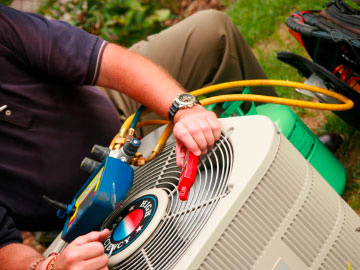
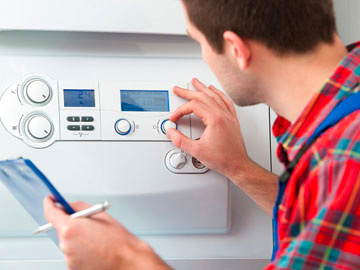
The winter chill is perfect for enjoying hot chocolate and cozy blankets, but it’s not so kind to your furnace. As a homeowner, the last thing you need is your furnace breaking down in the middle of cold winter night. Fortunately, a little preventive maintenance can help you avoid such a situation. Here’s a complete furnace inspection checklist to keep your home warm and comfortable.
Why Should You Care About Furnace Inspections?
Think of your furnace as the heart of your heating system, much like a car engine. You wouldn’t drive a car without checking the oil or inflating the tires. The same principle applies to your furnace. Skipping maintenance can allow small problems to grow into major issues—similar to trying to fix a small leak with duct tape, only to end up with a flooded bathroom. Regular inspections help your furnace run smoothly, save energy, and minimize the risk of costly repairs.
A Complete Furnace Inspection Checklist
Check the Thermostat
This is your furnace’s “command center.” If the thermostat is out of whack, the furnace won’t get the memo that it’s time to heat things up. Start by testing it out—adjust the temperature and see if the furnace responds. You’d be surprised how often something as simple as a miscalibrated thermostat can cause issues.
If it’s time to upgrade, a smart thermostat might be the way to go. Not only will it keep your home at a comfortable temp, but you can control it from your phone.
Inspect the Air Filter
Think of a dirty air filter like trying to breathe through a blocked straw—it limits airflow and forces your furnace to work harder than necessary. To keep things running efficiently, replace your filter every 1 to 3 months during peak heating season.
If your home tends to gather dust, consider checking it more often. A clean air filter promotes better airflow, improves air quality, and helps your furnace operate without unnecessary strain.
Check the Ductwork
Your ductwork acts as the delivery system for heated air. Leaks, clogs, or damage can prevent warm air from reaching its destination. Walk through your space and inspect the ducts for holes, cracks, or signs of wear. If you hear a hissing sound, it could indicate air escaping from an unsealed area.
Also, check the insulation around your ducts. Inadequate insulation can reduce heating efficiency. Adding or replacing insulation is a simple way to improve energy savings over time.
Clean the Blower Fan
The blower fan plays a key role in distributing warm air throughout your building. Over time, dust and debris can accumulate, affecting its performance. A quick cleaning with a vacuum or soft cloth can keep it running smoothly. If you hear unusual rattling sounds from your furnace, the blower fan might need attention.
A clean, well-maintained blower fan guarantees consistent airflow and helps your furnace work effectively. This keeps your space comfortable.
Check the Pilot Light or Ignition System
The pilot light (for older models) or the electronic ignition (for newer systems) is responsible for starting the combustion process. If this isn’t working, your furnace won’t produce heat. Check the pilot light to make sure it’s burning blue and steady. Flickering or yellow flames may indicate the need for cleaning or maintenance.
For newer systems, inspect the flame sensor and monitor the display for error codes if ignition issues arise. Addressing these problems early helps keep your furnace running reliably.
Inspect the Gas Valve and Burner
A functioning gas valve is like the furnace’s “on/off” switch for heat. If the valve isn’t working properly, your furnace won’t generate heat at all. Check the gas valve for leaks (use soapy water and look for bubbles). Inspect the burners to make sure they’re free from dirt or debris. Dirty burners can lead to inefficient heating and uneven temperatures.
Remember: a gas leak is nothing to play around with. If you suspect a problem with the gas valve, call an HVAC service immediately.
Clear the Condensate Line
High-efficiency furnaces produce condensate as a byproduct of combustion. This moisture needs to drain away properly, or it could lead to leaks or water damage. Check the condensate line for blockages. If it’s clogged, water can back up into the furnace and cause big problems.
A quick cleaning with a wet/dry vacuum can save you from a soggy situation.
Inspect the Exhaust Vent
Your furnace needs to safely vent out the gases produced during the heating process. A blocked exhaust vent is like your furnace trying to breathe through a straw. Inspect the vent to make sure it’s clear of obstructions, like leaves, ice, or debris. A blocked vent could cause dangerous carbon monoxide buildup—definitely something you want to avoid.
A clear exhaust vent means your furnace is running safely and efficiently.
Listen for Strange Noises
If your furnace is making strange noises, it’s worth paying attention to. A banging noise might indicate delayed ignition or gas buildup, while a squealing sound could suggest that the blower motor needs lubrication. Rattling noises may point to loose components or debris stuck inside. It’s important not to ignore these sounds, as addressing them early can help prevent more serious issues down the line.
Check for Signs of Wear and Tear
Is your furnace looking a little worse for wear? Check the body of the furnace for rust, cracks, or other signs of damage. Cracked heat exchangers or rust inside the furnace can lead to costly repairs or even system failure. A quick visual inspection can help you catch these issues before they escalate. While small cosmetic wear is usually harmless, larger cracks or rust indicate that your furnace may be on its last legs.
Test the System
Once you’ve checked all the components, it’s time to test the furnace. Turn it on and let it run through a few cycles. Make sure that it reaches the desired temperature and operates smoothly throughout. Pay attention to how quickly it heats up and whether it maintains a consistent temperature. If the furnace struggles to reach the set temperature, it may indicate a problem with the burners, blower, or thermostat that requires attention.
Avoid Breakdowns: Book Your Furnace Maintenance in Cleveland, OH with K & K Heating
A furnace inspection isn’t the most glamorous thing in the world, but it’s definitely worth the effort. If you’re unsure about anything, don’t hesitate to call in a pro. It’ll save you money, stress, and maybe a few frozen fingers in the process.
At K & K Heating & Cooling, we specialize in keeping your HVAC system running smoothly all season long. Our team of NATE-certified technicians in Cleveland, OH brings thorough inspections, expert repairs, and efficient HVAC maintenance services for homes.
Take advantage of our priority scheduling and 24/7 emergency service. Plus, we offer no-interest financing options to make https://kandkheatingandcooling.com/services/more affordable. Call us today at 440-429-5858 to schedule your inspection. We look forward to serving you.