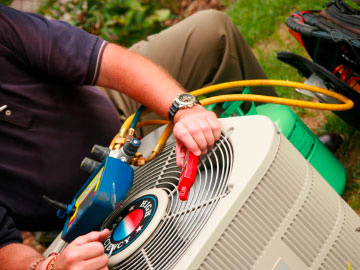
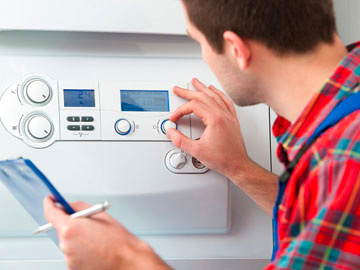
Homeowners often ask, why is my furnace blowing cold air when temperatures drop. A furnace should provide consistent warmth, yet unexpected cold air from the vents can be frustrating and uncomfortable. This issue typically points to underlying problems that need immediate attention to restore comfort and efficiency.
Resolving cold air problems starts with pinpointing the source. From thermostat issues to mechanical malfunctions, various factors can disrupt normal furnace operation. Here are the potential causes and practical insights to address them.
Thermostat Settings are Incorrect or Malfunctioning
Thermostats control furnace operation, regulating when and how it heats. Incorrect settings, such as selecting “cool” instead of “heat,” may prevent warm air from circulating. A temperature set too low can also delay the heating process. Batteries running low or damage to internal components can cause malfunctions, leading to cold air instead of the desired warmth.
Faulty wiring or software issues within programmable thermostats can disrupt communication with the furnace. Even a small error can make it seem like the furnace is underperforming. Checking and resetting the thermostat is a good starting point to rule out these problems. If adjustments fail, professional assistance might be necessary.
Dirty or Clogged Furnace Air Filter
Air filters trap dust, dirt, and other debris, ensuring clean airflow through the furnace. When filters become clogged, airflow slows or stops entirely, causing the furnace to overwork and underheat. Reduced airflow can lead to uneven heating or force the system to shut off its burners, resulting in cold air circulating instead of heat.
Ignoring filter maintenance compromises efficiency and creates additional strain on the furnace. Replacing filters every one to three months prevents clogs and keeps airflow steady. Regular upkeep not only avoids cold air problems but also extends the furnace’s lifespan and reduces energy costs.
Pilot Light is Extinguished or Faulty
Older furnaces rely on a pilot light to ignite the burners and produce heat. If the pilot light goes out, the system cannot warm the air, leading to cold air blowing through the vents. Drafts, dirt buildup, or faulty components like the thermocouple can extinguish the flame or keep it from staying lit.
Inspecting the pilot light is an easy first step. A weak or absent flame may need cleaning or re-ignition, while a malfunctioning thermocouple may require professional repair. Addressing pilot light issues ensures the furnace resumes proper heating quickly.
Overheating Due to Restricted Airflow
Furnaces feature safety mechanisms that shut down burners when overheating occurs. Restricted airflow, often caused by dirty filters, closed vents, or obstructions in the ducts, forces the system to overheat and shut off prematurely. This triggers a cycle where the blower continues running, but only cold air comes through.
Clearing vents, cleaning ducts, and maintaining filters can resolve restricted airflow and overheating. Regular inspections prevent overheating and keep the furnace functioning efficiently throughout the heating season.
Faulty Ignition System in the Furnace
The ignition system in modern furnaces lights the burners to generate heat. When this system malfunctions, the burners fail to ignite, leaving the furnace unable to warm the air. Common ignition system issues include sensor problems, worn-out igniters, or electrical faults disrupting the process. A damaged flame sensor, for instance, may fail to detect the flame and shut down the furnace for safety.
Regular maintenance of the ignition system reduces the likelihood of such failures. Cleaning or replacing the flame sensor and inspecting the igniter for wear can help keep the system functional. For persistent ignition issues, a professional diagnosis ensures accurate repairs and prevents further disruptions to heating.
Malfunctioning Blower Motor Affecting Air Circulation
The blower motor pushes heated air through the ducts and into the living space. If this motor fails or operates inefficiently, it disrupts airflow, causing cold air to circulate. Blower motor issues may stem from wear and tear, electrical malfunctions, or obstructions blocking the fan.
Unusual noises, weak airflow, or irregular cycling often indicate blower motor trouble. Routine inspections and timely lubrication of moving parts help avoid such problems. When the motor ceases to function entirely, replacing it ensures proper air circulation and consistent heating.
Leaky Ductwork Leading to Heat Loss
Ductwork carries heated air from the furnace to different parts of the building. Leaks in the ducts allow warm air to escape, causing a noticeable loss of heat. Poor sealing, cracks, or disconnected sections often contribute to this issue. As warm air escapes, the furnace compensates by running longer, wasting energy while still failing to provide adequate warmth.
Sealing leaks and insulating ducts minimizes heat loss and improves overall efficiency. Inspections with professional-grade equipment help locate and address hard-to-detect leaks. Maintaining the integrity of the ductwork system prevents unnecessary strain on the furnace and reduces utility bills.
Issues with Gas or Oil Supply to Furnace
A steady supply of gas or oil is vital for the furnace to produce heat. Interruptions in this supply, caused by an empty tank, closed valves, or blocked fuel lines, prevent the burners from functioning. Without combustion, the system cannot heat air, leading to cold air blowing through the vents.
Checking for adequate fuel levels and inspecting valves for obstructions addresses common supply issues. For gas furnaces, ensuring the gas meter is operational and clear of debris is important. Any persistent supply problem may require professional assistance to restore proper heating.
Electrical Problems Impacting Furnace Components
Electrical components power key furnace functions, from ignition to blower operation. Faulty wiring, tripped circuit breakers, or worn-out relays can disrupt these processes, causing the furnace to malfunction. Inconsistent power flow often leads to irregular heating or a complete system shutdown.
Checking the breaker panel and inspecting electrical connections identifies obvious problems. Professional repairs ensure safe handling of complex electrical systems. Regular maintenance of electrical components reduces the risk of sudden malfunctions and keeps the furnace running reliably.
Faulty or Triggered Furnace Limit Switch
The furnace limit switch monitors temperatures inside the system and prevents overheating by shutting off the burners when necessary. A malfunctioning or overly sensitive limit switch may shut the furnace down prematurely, causing only cold air to circulate. Dirt accumulation, electrical issues, or a defective sensor often trigger these problems.
Addressing this issue involves inspecting the switch for visible damage, cleaning any debris, and resetting the system if needed. If the switch continues to malfunction, a replacement is often required. A properly functioning limit switch ensures the furnace operates safely and maintains consistent heating.
Improperly Functioning Air Handler in System
The air handler distributes heated air throughout the building. A failing air handler disrupts this process, leading to uneven heating or cold air blowing from vents. Common issues include motor failures, belt damage, or clogged filters that restrict airflow.
Unusual noises or inconsistent airflow often signal air handler problems. Regular maintenance, such as checking belts, cleaning filters, and lubricating components, keeps the air handler in optimal condition. Timely repairs or replacements of damaged parts ensure efficient operation and reliable heating.
Dirty or Clogged Furnace Burners
Burners in the furnace ignite fuel to produce heat. Dirt, rust, or soot buildup on the burners reduces efficiency, causing incomplete combustion or extinguishing the flame altogether. This leads to cold air blowing instead of heat.
Cleaning the burners removes debris and restores proper function. Regular inspections prevent excessive buildup and ensure safe operation. Professional servicing can address deeper issues, such as alignment or calibration problems, to optimize burner performance.
Heat Exchanger Problems Reducing Efficiency
The heat exchanger transfers heat from combustion gases to the air circulating through the system. Cracks, corrosion, or blockages in the heat exchanger compromise its efficiency, preventing adequate heat transfer. These issues not only affect performance but can also pose safety risks if combustion gases escape.
Visual inspections and carbon monoxide detectors help identify heat exchanger problems. Repairs or replacements ensure safe and efficient heating. Regular maintenance extends the life of the heat exchanger and minimizes costly breakdowns.
Incorrectly Sized Furnace for Home Heating Needs
A furnace that is too small struggles to meet the heating demands of a larger space, often running continuously but still failing to warm the home adequately. Conversely, an oversized furnace cycles on and off frequently, wasting energy and wearing out components prematurely. Both scenarios result in inefficiency and discomfort.
Evaluating the size of the furnace relative to the building’s square footage and insulation is critical when selecting a new system. Consulting with HVAC professionals ensures proper sizing, improving efficiency and maintaining a comfortable indoor environment.
Blocked or Obstructed Condensate Line
Modern high-efficiency furnaces produce condensation during operation, which drains through a condensate line. If this line becomes blocked by dirt, mold, or debris, the system may shut down as a safety measure. When the furnace shuts off prematurely, it often results in cold air blowing through the vents instead of warmth.
Regular cleaning and inspection of the condensate line prevent clogs and maintain proper drainage. Using a wet/dry vacuum or flushing the line with water clears minor obstructions. Persistent blockages may require professional attention to prevent further disruptions and keep the furnace running efficiently.
Recent Power Outage Affecting Furnace Settings
Power outages can disrupt the settings and controls of a furnace, causing it to malfunction when power is restored. Resetting thermostats, relighting pilot lights, or recalibrating programmable features may be necessary to restore normal operation. Sudden power surges during outages can also damage electrical components, further affecting performance.
Checking and resetting the thermostat is a common fix after an outage. If problems persist, inspecting the circuit breaker and furnace wiring for damage may identify the issue. Protecting the system with a surge protector minimizes risks during future outages and helps ensure consistent heating.
Open or Leaky Windows and Doors Causing Drafts
Open or improperly sealed windows and doors allow cold air to enter while warm air escapes, making it seem as though the furnace is not working effectively. These drafts reduce indoor comfort and force the furnace to work harder, potentially resulting in uneven heating or noticeable temperature drops.
Sealing gaps with weatherstripping or caulking prevents heat loss and improves indoor warmth. Regularly checking for drafts around windows and doors minimizes energy waste and enhances the overall performance of the heating system. Proper insulation also ensures the furnace’s heat remains inside, reducing strain on the system.
Why Choose K & K Heating and Cooling for HVAC Service and Repair?
Cold air from your furnace disrupts comfort and signals underlying issues. Our team at K & K Heating and Cooling solves problems efficiently, restoring warmth and reliability. As a trusted HVAC service and repair specialists, we address everything from faulty components to system optimizations with precision and care.
We proudly stand as Northeast Ohio furnace maintenance experts, offering thorough inspections, cleanings, and proactive repairs to keep your heating system running efficiently year-round. With a commitment to fair pricing, punctual service, and respectful care for your home, we tailor every solution to meet your specific needs. Call K & K Heating and Cooling today for dependable heating and cooling solutions backed by professional expertise.