If you’ve bought a home or replaced a heating and cooling system, you probably remember thinking, ‘How long will this investment actually last me?’ It’s a fair question since HVAC systems are among the most expensive pieces of equipment in your house.
The lifespan varies, but with the right care, most HVAC systems last between 10 and 25 years. That’s quite a range, which often leaves homeowners scratching their heads. Why do some units bow out after a decade while others hum along reliably into their second or even third decade? The answers lie in maintenance habits, climate conditions, and system type.
We’ll unpack the average lifespan for different HVAC components, explore the factors that impact longevity, share warning signs that your unit may be nearing the end, and talk about how you can get the most years out of your system.
Average Lifespan of Different HVAC Components
Furnaces
Gas furnaces are a common sight in Ohio homes. When properly cared for, they typically last between 15 and 20 years. Electric furnaces, which don’t involve combustion, may last up to 25 years. Oil furnaces, less common these days, typically last around 15 years due to the residue buildup they encounter.
Central Air Conditioners
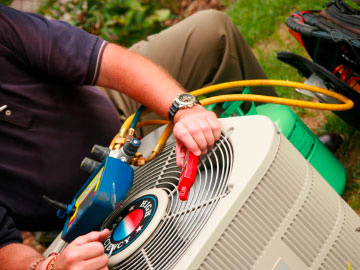
Central AC units handle heavy summer workloads, which means they don’t usually reach the same age as furnaces. The average life expectancy is 12 to 17 years. Units exposed to harsh outdoor conditions or lacking regular service often retire closer to the lower end.
Heat Pumps
Because heat pumps double as both heating and cooling systems, they require more year-round labor. Most give solid performance for about 10 to 15 years. Routine HVAC service is what helps them reach the upper end of that spectrum.
Ductwork
It might not get the spotlight, but ductwork is a key part of HVAC lifespan. Most ducts last 20 to 25 years, although leaks, mold, or poor insulation may shorten that. Neglected ductwork can make even a brand-new system underperform.
Factors That Affect System Longevity
So why do some HVAC systems gracefully stretch past 20 years while others tap out at 10? Several variables come into play.
- Regular Maintenance
Simple upkeep has one of the biggest impacts on how long your HVAC lasts. Changing filters, scheduling seasonal tune-ups, and addressing small issues early keep the system from working harder than it needs to. - Climate Conditions
Where you live influences HVAC lifespan. In northern states like Ohio, furnaces work long winters while AC runs in moderate summers. Down south, the reverse is true — AC units work nearly year-round, which means they typically wear out faster. - Installation Quality
Even the best equipment won’t reach its potential if installed incorrectly. Poor duct sizing or sloppy connections put strain on your system from day one. That stress shows up in a shorter overall life. - Usage Habits
If you constantly set your thermostat to extremes, your system cycles more often and endures more stress. A steady, reasonable thermostat setting means less daily wear and tear. - Brand and Equipment Quality
All systems are not built equally. Higher-quality brands with durable materials tend to outlast budget equipment, though cost isn’t the only factor — maintenance and care still matter most. - Environmental Factors
Homes with lots of dust, pet dander, or poor insulation make HVAC units work harder. Extra strain can quietly shave years off their lives.
Signs Your HVAC System May Be Nearing the End
Instead of waiting until your system fully breaks down, it’s helpful to recognize the hints it gives as it ages.
- You notice higher energy bills even though your usage hasn’t changed.
- Rooms heat or cool unevenly.
- Strange sounds like grinding, banging, or rattling crop up more often.
- Frequent HVAC repairs seem to pile up year after year.
- Your system struggles to keep up on very hot or very cold days.
If your system checks several boxes on this list and it’s within the typical age range, you might be closer to replacement time.
Repair or Replace: Which Is Better?
So, should you repair the system or replace it? The answer often comes down to the “$5,000 rule” many technicians use. Multiply the age of the unit by the cost of repair. If it exceeds $5,000, replacement is typically the more prudent choice. For example, a 15-year-old furnace needing a $600 repair equals $9,000 — suggesting that money is better spent on a new system instead.
Replacing an older system often means more energy efficiency, which lowers monthly bills. It can also improve comfort with more consistent temperatures. Of course, if your system is still young and the repair is minor, sticking with the repair makes good sense.
How to Maximize Your HVAC’s Lifespan
While no system lasts forever, there are practical steps you can take to squeeze the most years from your investment.
Change Filters Consistently
Your filter is the frontline defense against dust and particles clogging your system. A clogged filter makes a furnace or AC fight harder. For most households, changing it every one to three months is best.
Schedule Professional Tune-Ups
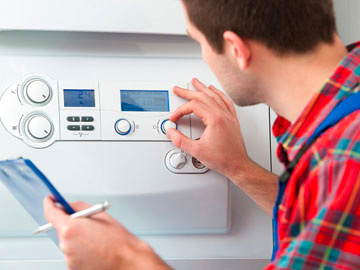
Annual service visits give HVAC technicians the chance to spot small issues before they grow into big headaches. A simple cleaning or adjustment can add years of life by keeping parts from overstressing.
Keep Vents and Ducts Clear
Blocked vents force your system to push harder. Make sure furniture, rugs, or curtains aren’t restricting airflow. Periodically cleaning ducts keeps buildup under control.
Watch Thermostat Use
Setting your thermostat a few degrees higher in summer and lower in winter reduces stress. Programmable thermostats make it easier to maintain steady, efficient settings.
Pay Attention to Repairs
Don’t ignore strange noises or weak airflow. Addressing small issues promptly prevents them from snowballing into expensive breakdowns.
Comparing System Types: Which Lasts Longest?
If you’re considering a new installation, knowing typical lifespans by type can help guide your decision.
- Gas Furnaces: 15–20 years on average, reliable for Ohio winters.
- Electric Furnaces: Up to 25 years, though electricity costs may be higher.
- Central AC: About 12–17 years, depending on cooling load.
- Heat Pumps: Usually 10–15 years since they work all year long.
- Boilers: In some cases, 20–30 years with strong maintenance.
Each option has trade-offs not just in lifespan but also in efficiency, energy source, and upfront costs. That’s why consulting an HVAC professional before choosing a new system makes the most sense.
The Role of Technology in System Lifespan
Modern HVAC systems include variable-speed motors, advanced compressors, and smart thermostats. These features reduce stress by allowing the system to run at lower, steadier speeds instead of cycling on and off constantly. The result is not just better comfort but potentially more years before needing a major replacement.
Many new setups also support zoning and remote monitoring, so issues can be spotted sooner, settings can be fine-tuned, and wear is reduced during shoulder seasons. That said, new technology does add complexity, which makes proper installation and maintenance even more important to achieving the higher end of the lifespan range. Regular software updates and calibration help keep performance on track.
Budgeting for Replacement
Since HVAC replacement is a major expense, it helps to think ahead about timing. If your system is already 15 years old, planning financially for new equipment in the next few years is wise. Since furnaces and AC units often work in tandem, replacing both together can save money long-term while providing matched efficiency.
Financing options offered by many companies, including local HVAC providers in Northeast Ohio, can help spread out costs while upgrading comfort and energy efficiency.
Plan Ahead Before Problems Grow
The span your system achieves depends heavily on how often you care for it, how it was installed, the conditions where you live, and how hard it has to work day after day. While no unit lasts forever, smart maintenance and timely upgrades extend lifespan, boost comfort, and prevent costly surprise breakdowns.
If your system is approaching its typical retirement age or showing signs of struggle, it may be time to consider replacement. By planning ahead and working with trusted HVAC professionals, you’ll be ready when the time comes — and you can enjoy the comfort of knowing your home is prepared for the seasons ahead.
Extend the Life of Your HVAC With K & K Heating and Cooling
Understanding how long HVAC systems last is only half the story — keeping them reliable requires the right care. At K & K Heating and Cooling, we proudly serve Northeast Ohio with trusted HVAC repair, installation, and maintenance for both homes and businesses.
Our NATE-certified technicians provide red carpet service, same-day repairs when parts are available, and honest guidance without sales pressure. Most repairs are backed by a one-year warranty, and we even offer flexible financing to fit your budget.
Ready to breathe easier and enjoy dependable comfort? Contact K & K today for a free quote and expert service.