Walk into any home improvement store, and you’ll likely see a wall stacked high with air filters. Some are basic, others promise higher performance, and sizes seem endless. Picking out one feels simple enough. But here’s something many homeowners never stop to think about: How many air filters should your house actually have? One? Two? More?
It turns out the answer isn’t always as straightforward as you might expect. While some homes get by with a single filter, others are designed to use multiple. Understanding your own system makes a big difference in efficiency, comfort, and air quality. Let’s look at why the number of filters varies, how to check your own home, and what happens if you overlook this detail.
Why Air Filters Matter in the First Place
A furnace is the heart of your home’s comfort during cold weather. Replacing it is not Air filters are not just about keeping dust off your coffee table or sneezes at bay. They play a huge role in how your heating and cooling system runs. Filters trap dirt, hair, lint, pollen, and everything else floating through the indoor air. Without them, these particles would collect in your HVAC equipment, block airflow, and make your system work harder than it should.
A filter also influences air quality. People with allergies or asthma notice the difference when systems are fitted with the proper filter. Even if you’re someone who doesn’t suffer from allergies, you probably still appreciate not breathing in too much dust and dander.
Because filters carry so much responsibility, knowing how many your house needs becomes part of keeping your system healthy. Too few filters or missing filters altogether can leave your equipment clogged, noisy, and inefficient.
Do All Homes Have Multiple Filters?
Not every home has just one air filter slot. Many traditional layouts are designed around a single filter located near the furnace or central air handler unit. If that system covers your whole home, then only one filter may be needed.
However, larger or more modern homes often have more than one. Extra filters are usually found behind return air vents in hallways, ceilings, or even individual rooms. These filters act as that extra layer of defense before dust reaches the ductwork.
So, while some folks only ever replace a filter located near the basement or attic, others need to keep track of three, four, or even more.
Factors That Determine the Number of Filters
Not all HVAC systems are built the same way. The number of filters your house has depends primarily on:
- The Size of Your Home
A small one-story house with a single HVAC system usually has one filter. Larger homes with multiple return air vents or multiple units may require additional ones.
- The Location of Your Air Handler or Furnace
If your system is centrally located, one filter may serve the whole house. On the other hand, systems tucked away in an attic or crawl space may have extra return vents throughout the house with their own filters.
- Multiple HVAC Systems
Some larger homes are built with two HVAC systems: one for upstairs and one for downstairs. Each system will have its own filter setup, effectively doubling the count.
- Return Vent Placement
Many homes use full-sized return vents scattered across hallways or bedrooms. Filters installed at each of these means you’ll have more than one to check.
- The Builder’s Design Choices
Lastly, sometimes it just comes down to how your builder or HVAC installation provider decided to design the duct layout. Some prefer one centralized filter while others go with multiple smaller ones distributed around living spaces.
How to Locate Your Air Filters
If you’re unsure about how many filters you’re dealing with, take a little home tour.
Start near your furnace, usually located in the basement, utility closet, attic, or garage. Look for a slot near where the air duct connects to the furnace or air handler. That’s the most common place to find a filter.
Next, walk through your house and look at the return vents. These vents tend to be bigger than supply vents (which blow air out). They usually don’t have louvers, making them easy to spot. Peek behind the vent cover, and you may discover another filter sitting there.
Don’t forget about rooms you don’t visit often. Some return vents are hidden behind furniture, up on ceilings in hallways, or down close to baseboards. The key is to inspect each return vent to be sure.
The Risks of Overlooking Extra Filters
Missed a hidden filter? You’re not alone. Many homeowners don’t realize their house uses more than one. But forgetting to swap out those additional filters carries real consequences.
A clogged filter puts your HVAC system under strain, reducing its lifespan. It can also lead to uneven airflow, where some rooms feel warm while others stay cool. On top of that, the dirtier the filter, the more dust makes its way into your living space.
Worse yet, if some filters are fresh but one is neglected, your system still suffers. It only takes one blocked vent to throw off the balance and make the system work harder than necessary.
Can a Home Have Too Many Filters?
This might sound odd, but yes, sometimes homeowners unknowingly double up filters in places they shouldn’t. For instance, if you put one filter at the return vent and another in the furnace slot, you’re creating two layers of resistance. That makes airflow weaker, which strains the blower motor.
Unless your system was specifically designed for multiple layers of filtration, stick with one filter per designated place. Adding extras may sound like better cleaning, but in reality, it reduces performance.
The Connection Between Indoor Air Quality and Filter Count
The number of air filters affects indoor air quality in subtle ways. One big filter near the furnace might do the job, but distributed filters catch particles closer to where they enter. Some people prefer this design because it keeps dust from travelling through ducts before hitting a filter.
If air quality is a priority, you can also upgrade the types of filters rather than simply adding more. For instance, pleated filters with higher ratings catch smaller particles. Keep in mind, though, that the higher the rating, the more dense the material, which can limit airflow if your system isn’t built for it.
How Often Should You Replace Them?
The count matters, but frequency matters just as much. Most standard filters should be replaced every 1 to 3 months, depending on usage. If your home has pets, lots of visitors, or is in a dusty area, you may need to swap them sooner.
For houses with multiple filters, this timeline applies to each one. It’s easy to remember to change the big one near the furnace while forgetting the one in the guest hallway. A simple trick is to change them all at the same time. That way, no filter slips through the cracks.
Why Your HVAC Technician Can Help
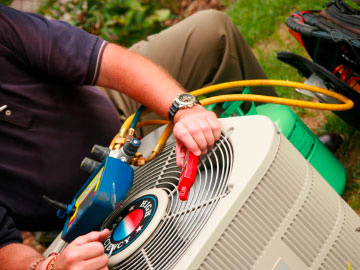
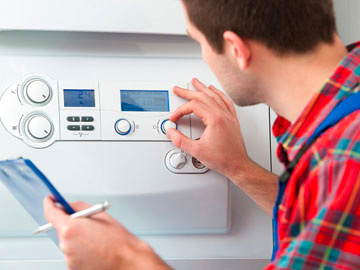
When in doubt, ask your HVAC technician on the next service visit. Part of their job involves inspecting filters and ductwork, so they can show you exactly how many are in your home. Technicians also spot if you’re missing one, using the wrong type, or overloading your system with extras.
This guidance saves you the hassle of guessing and helps keep your home comfortable year after year.
Residential and Commercial HVAC Services You Can Trust in Northeast Ohio
Knowing how many air filters your house has is just one piece of the puzzle; keeping your whole HVAC system in top shape is where we come in. At K & K Heating and Cooling, we proudly serve Northeast Ohio with dependable residential and commercial HVAC care.
Our NATE-certified technicians provide red carpet service, same-day repairs when possible, and expert guidance without sales pressure. With warranties on most repairs, financing options, and a 100% satisfaction guarantee, we make home comfort hassle-free.
Contact us to schedule a service or request a free quote.