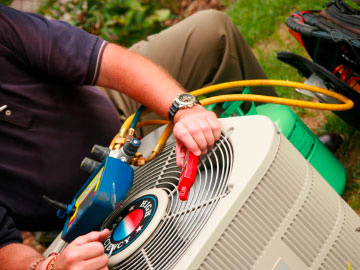
Hearing unusual sounds from your air conditioner can cause concern and confusion for any homeowner. These noises may indicate a minor problem or a more serious issue that requires professional attention from a trained technician. Recognizing the source and meaning of different noises helps you take the right steps when a furnace struggling to keep the house warm presents a problem.
Listening carefully to your system can provide insight into what your air conditioning equipment needs and help prevent further complications.
Grinding Sounds from the Outdoor Unit
Grinding noises from the outdoor air conditioner unit often signal a failing motor bearing or other internal mechanical problems.
Metal components within the compressor or fan motor can rub together, producing a harsh, abrasive sound. Ignoring this noise can lead to significant damage to internal parts and potential system failure. The grinding indicates your AC requires immediate professional attention to prevent more costly repairs and to restore smooth operation.
A qualified technician can pinpoint the exact cause of the grinding and perform necessary repairs or replace damaged components. Addressing the problem quickly can extend the life of your air conditioning system and prevent further disruptions.
Rattling Sounds from an Air Conditioner
Rattling noises often indicate loose components or debris inside the system. This may come from loose fan blades, a damaged fan cage, or small sticks and leaves that entered the outdoor unit. Loose screws or panels on the casing can also vibrate, creating a rattling sound. Inspecting both indoor and outdoor components is necessary to locate the source.
A trained technician can secure loose parts and remove debris, preventing more serious issues. Resolving a rattle promptly restores the system to proper function and reduces the chance of additional damage.
Hissing Noises from Your AC Unit
A hissing noise coming from your AC unit typically points to a refrigerant leak, which is a serious issue that a professional must address immediately. Refrigerant circulates within the air conditioning system, absorbing heat from your home and releasing it outside to cool the air. A leak in a refrigerant line releases a high-pressure gas that makes a distinct hissing sound as it escapes the system. Losing refrigerant greatly reduces the AC’s cooling ability and can even damage the compressor.
Squealing Sounds Coming From The AC
A high-pitched squeal from your AC often signals a problem with a belt or motor within the system. The noise typically comes from a worn fan belt or motor bearings in the blower. This sound indicates that the belt is slipping or the bearings require lubrication or replacement. Leaving the issue unaddressed can stop the system from operating and increase stress on other HVAC components.
Professional technicians can accurately diagnose the source of the squealing, repair or replace the belt, and service the motor bearings. Taking prompt action helps prevent further damage, restores smooth operation, and maintains efficient, quiet performance throughout the system.
Clicking Noises From The AC Blower
Clicking sounds can result from a loose component striking the fan blades or a malfunction in the fan motor relay or capacitor. Loose wires or small objects inside the unit may also produce this intermittent noise. These sounds are often most noticeable when the system starts up or shuts down. They signal that attention is needed before minor issues become larger problems.
Bubbling Noises in an Air Conditioning System
Bubbling or gurgling sounds frequently point to problems with the condensate drain line. When algae, mold, or debris clog the drain, water can back up in the system, creating air bubbles and the characteristic bubbling noise. An overflowing drain pan may also contribute to the sound and can lead to water damage in your home if left unresolved.
Technicians can clear clogged condensate lines efficiently using a wet vacuum or specialized flushing tools. Preventative treatments can also be applied to keep the drain free of future blockages.
Humming Sounds From The Outdoor Unit
Humming sounds from the outdoor unit are often normal, but a loud or unusual hum can signal an electrical issue or a failing motor. A steady, low hum from the compressor or fan motor is usually a sign of normal operation.
However, a loud, deep hum can point to a problem with the fan motor, a contactor, or a seized compressor. This sound may also come from loose internal parts that vibrate against the unit’s casing.
A trained technician can diagnose the cause of a loud humming noise and decide if it indicates a problem. They check the motor and the electrical parts for any signs of wear and tear. The technician can also secure any loose parts to stop the vibration and restore quiet operation.
Thumping Sounds from a Central AC
A thumping noise from a central AC unit often indicates an issue with the blower fan or a loose component in the system. The sound can happen when the fan blades become unbalanced and hit the inside of the housing as they spin.
A thumping sound might also come from a loose part within the motor or a piece of debris that got into the system. This type of noise requires immediate attention to prevent damage to the fan and motor.
K & K Heating and Cooling: The Answer to Your HVAC Needs in Northeast Ohio
Do you need help with your home’s air conditioning system in Northeast Ohio? We at K & K Heating and Cooling offer premium, red-carpet service for your HVAC repair and maintenance needs. Our professional, NATE-certified technicians are highly trained and consistently stay on top of continuing education to bring you the best service possible. We can help you with a complete analysis of your entire system and offer transparent options.
We never pressure you with sales and instead empower you to make an informed decision that is best for you and your family. Consider getting a new AC unit installation if your current system is constantly making strange noises. Our team at K & K Heating and Cooling can help you with all your cooling needs.