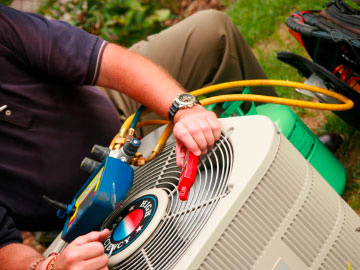
Air conditioning systems are designed to remove heat and humidity from your home with steady airflow and balanced refrigerant pressure. When ice begins forming inside the unit, cooling performance drops, and strain on internal components increases. Homeowners often search for what causes the AC to freeze up after seeing frost on refrigerant lines or noticing weak airflow from vents. Ice buildup is a warning sign that something within the system is operating outside normal conditions. Understanding the root causes helps you respond quickly and reduce the risk of serious equipment damage.
How AC Freezing Happens
Inside your indoor unit, the evaporator coil absorbs heat as warm household air moves across its surface. Moisture in that air normally condenses into water and drains away through the condensate line. When the coil temperature falls below freezing, that moisture turns into ice instead of liquid water. Ice then begins covering the coil and surrounding surfaces, which restricts airflow even further. As circulation declines, temperatures drop more, and the freezing condition intensifies within the system.
Restricted Airflow Problems
Proper circulation keeps the evaporator coil within a safe temperature range during operation. A clogged air filter can severely limit the amount of warm air reaching the coil. Blocked return grilles, closed supply vents, or debris inside ductwork can also restrict the movement of air throughout your home. Blower motor issues or fan malfunctions reduce circulation and allow coil temperatures to fall too low. Reduced airflow creates the perfect environment for frost to develop and spread across the system.
Low Refrigerant and Leak Related Issues
System pressure plays a major role in maintaining stable coil temperatures. When refrigerant levels drop because of a leak or incorrect charge, pressure decreases inside the evaporator coil. Lower pressure results in lower temperatures, which can cause condensation to freeze on contact. Ice formation often returns if the underlying leak is not located and repaired. Adding refrigerant without correcting the source of the loss can mask the issue temporarily while allowing further damage to occur.
Dirty Coils, Drainage, and Control Problems
Heat transfer efficiency depends on clean coil surfaces and proper moisture removal. Dirt and dust that accumulate on the evaporator coil act as insulation and prevent the coil from absorbing adequate heat. A clogged condensate drain line can trap moisture near the coil area and increase the likelihood of freezing. Thermostat calibration issues or faulty sensors may cause the system to run longer than necessary. Extended run times combined with low temperature settings can push the system beyond safe operating limits.
What You Should Do Immediately
Quick action can help prevent additional strain once ice is visible on your unit. Turn off the cooling function to stop further temperature drop and switch the fan to circulate air across the frozen coil. Inspect your air filter and replace it if it appears dirty. Confirm that all vents and return openings are open and unobstructed throughout your home. After the system fully thaws, monitor its performance and seek professional help if freezing happens again.
Stop Recurring Freeze Ups With Expert Diagnosis and Reliable Repair
Ice on your air conditioner is never random, and it rarely fixes itself without addressing the root cause. Whether the issue involves restricted airflow, low refrigerant, dirty coils, or control problems, accurate testing is the only way to restore safe and efficient operation. We handle HVAC service and repair with a complete system analysis during every visit, so you understand exactly what is happening inside your equipment. Our NATE-certified technicians inspect airflow, check refrigerant levels, evaluate components, and recommend solutions based on your system’s condition. From targeted AC repairs to full HVAC sales and installation when replacement makes more sense, we provide professional guidance without pressure and back most repairs with a one-year warranty on parts and labor.
If your air conditioner is freezing up, let us take a closer look. Contact us today to schedule professional service and get your system running properly again.