Heating and cooling systems work hard every single day to keep your home comfortable. Over time, parts wear down, airflow changes, and small issues begin to develop without obvious warning signs. That is where HVAC inspections come into the picture. A professional inspection gives you a clear picture of how your system is operating right now and what could become a problem later. If you value steady comfort, controlled energy costs, and reliable performance, understanding how inspections protect your equipment is a smart place to start.
Why You Should Inspect Your HVAC System
Regular inspections help you stay ahead of surprise breakdowns that always seem to happen on the hottest or coldest day. During an inspection, a technician looks for early wear, airflow restrictions, dirty coils, loose electrical connections, and calibration issues that can quietly reduce comfort. Fixing small concerns early often costs less than an emergency call, and it can reduce strain that shortens equipment life.
Inspections also support steady efficiency, since a system that breathes freely and runs with the right settings usually uses less energy to deliver the same temperature. Safety is another big reason, especially with heating equipment, because controls and combustion-related components should be checked for proper operation. Most importantly, an inspection gives you clear options and a simple plan so you can decide what fits your home, your budget, and your schedule before peak seasons arrive and before small noises turn into larger, more expensive problems.
What Happens During an HVAC Inspection
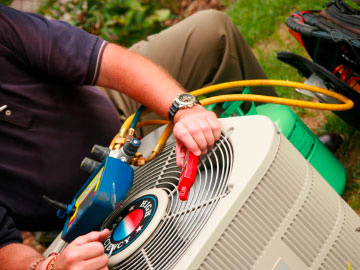
Every inspection begins with evaluating how your system performs in real operating conditions. Technicians observe airflow, temperature response, and system cycling to identify early signs of stress or imbalance. From there, the process becomes more detailed and component-specific.
During a professional visit, inspectors typically:
- Measure the temperature split to confirm proper heating or cooling output
- Evaluate airflow strength and identify restrictions
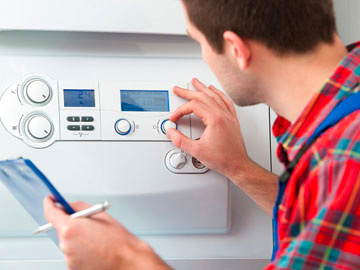
- Check thermostat calibration and communication with equipment
- Inspect air filters for blockage and airflow limitation
- Examine electrical connections for wear, overheating, or looseness
- Assess blower motor performance and internal cabinet buildup
- Inspect evaporator and condenser coils for cleanliness
- Review refrigerant levels and check for leak indicators during the cooling season
- Look for ductwork issues when an airflow imbalance is present
- Inspect drain lines and surrounding areas for moisture concerns
Once testing and inspection are complete, findings are explained clearly and without pressure. You receive practical recommendations based on the current system condition and future reliability. Some adjustments may be simple and immediate, while others can be planned ahead of peak weather. The goal is clarity, prevention, and a system that runs with less strain.
Common Problems an Inspection Can Catch Early
Strange noises, uneven temperatures, and weak airflow often start as small issues that are easy to miss. A common culprit is restricted airflow from a dirty filter, clogged return path, or buildup on coils that limits heat transfer. Electrical wear also shows up early, such as loose connections, tired capacitors, or contactor issues that can cause hard starts and short cycling. Drain and moisture problems are another frequent find, especially when a blocked condensate line leads to water around the unit or rising indoor humidity.
Performance issues can also trace back to setup and calibration rather than a major part failure. Thermostat placement, incorrect settings, or sensor drift can create comfort swings that feel like a system problem. Refrigerant concerns may appear during cooling checks, including signs of low charge or leak conditions that reduce capacity and raise runtime. Duct leaks or damaged insulation can waste conditioned air and make certain rooms harder to heat or cool. Catching these concerns early keeps repairs smaller, protects efficiency, and helps your system run with less stress.
Why HVAC Inspections Save You Money
Monthly utility costs often rise when equipment has to work harder to deliver the same comfort. Airflow restrictions, dirty coils, and out-of-range settings can increase runtime, which adds wear and drives energy use up. A well-timed inspection helps identify these efficiency drains while they are still easy to correct. Small adjustments and HVAC maintenance can restore smoother operation and reduce wasted power. Over a full season, that can translate into steadier bills and fewer spikes during extreme weather.
Repair costs also tend to stay lower when problems are found early. Loose electrical connections, weak capacitors, and moisture issues can damage other components if they are ignored. Preventive attention reduces the odds of a sudden shutdown that leads to after-hours service, rushed parts orders, or secondary failures. Inspections also support longer equipment life, which helps you delay a major replacement and plan for it on your terms. Better planning means fewer surprises, less stress, and smarter use of your HVAC budget.
What You Should Do Immediately
Peace of mind is a big part of having your heating and cooling checked on a regular schedule. Heating equipment relies on safety controls that should operate correctly every time the system runs, especially during long winter cycles. Problems like poor ventilation, burner issues, or incorrect operation can create risks that are easy to overlook without a trained eye. Electrical components also deserve attention because heat, vibration, and age can loosen connections and raise the chance of overheating.
Air quality can also suffer when the system is dirty or operating with airflow problems. Dust buildup on internal components may circulate particles through the home, and excess moisture can support unwanted growth in damp areas. Drain line issues or standing water around the indoor unit can contribute to humidity problems that make the air feel heavy. Filter condition is part of this conversation because a neglected filter can reduce airflow and allow more debris to move through the system. A careful inspection helps identify these concerns early, so your home stays comfortable, cleaner, and safer.
Best Times to Schedule an HVAC Inspection
Seasonal transitions create the best window to check your system before demand increases. Spring prepares cooling equipment for summer heat, and fall gets heating components ready for long winter cycles. Peak season refers to the hottest and coldest stretches of the year when HVAC systems run for extended periods and service schedules fill quickly. During those times, breakdowns are more common because equipment operates under higher strain. An annual inspection works well for most homes, though aging systems may benefit from more frequent reviews. Unusual sounds, uneven airflow, or rising utility costs are also signals that service should not be delayed.
Comfort Starts With a Checkup
Small HVAC problems hide in plain sight. An inspection checks airflow, controls, electrical condition, and heating or cooling output before an issue becomes a breakdown. It can reveal dirty coils, moisture concerns, and early wear that drive up energy use. Timed before peak seasons, inspections give you clear options and fewer surprises. You get steadier comfort, safer operation, and cleaner air.
Friendly help is here when you want straightforward answers. K & K Heating and Cooling provides a complete system analysis, and we explain what we find in plain language. Our NATE-certified technicians service all major brands and aim for same-day repairs when parts are available. Most repairs include a one-year warranty on parts and labor. We also offer HVAC sales and installation, plus routine maintenance for homes.
Ready to book an inspection or ask a question. Call us today, and we will schedule a visit that fits your week and your budget.