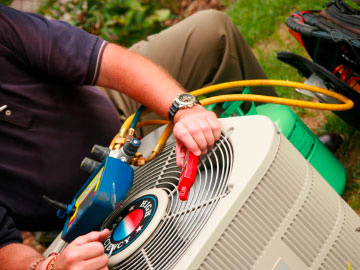
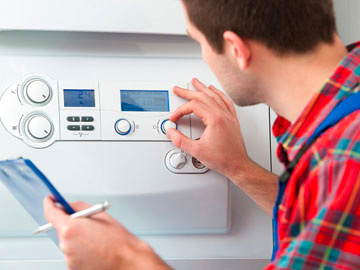
HVAC systems affect your comfort, air quality, energy use, and peace of mind through every season. When heating or cooling problems show up, simple answers can help you understand what may be happening before you schedule service. These HVAC faqs cover the topics homeowners often ask about, from airflow and filters to efficiency, maintenance, repairs, and replacement timing. We want this guide to feel clear, practical, and easy to follow, so you can make better decisions about the system that keeps your home comfortable.
Quick Summary
HVAC systems work best when filters, airflow, thermostat settings, maintenance, and equipment condition all support each other. This blog post explains how routine care can improve comfort, reduce strain, and help you catch warning signs before they become larger problems. It also covers uneven heating or cooling, energy efficiency, repair versus replacement timing, and what to expect from a professional full-system evaluation.
What Does an HVAC System Actually Do?
An HVAC system manages heating, ventilation, and air conditioning inside your home or business. It helps control indoor temperature, move conditioned air through rooms, reduce humidity, and support cleaner airflow through filtration. During cold months, the heating side warms the space through equipment such as a furnace, boiler, or heat pump. During warm months, the cooling side removes heat and helps lower indoor humidity. Ventilation also matters because stale air, blocked airflow, or poor duct performance can affect comfort. A well-matched system should work with your thermostat, ductwork, insulation, and layout, so each part supports steady comfort without making equipment work harder than needed.
How Often Should You Change Your HVAC Filter?
Your HVAC filter should be checked often and changed based on the filter type, system use, and home conditions. A basic filter may need replacement about every one to three months, while higher capacity filters may last longer. Homes with pets, dust, allergies, frequent cooking, or heavy system use usually need more attention. A dirty filter can restrict airflow, force equipment to work harder, reduce comfort, and allow more particles to move through the system. Changing it on time is one of the simplest ways to support better performance, but the right schedule should match your home and equipment needs.
Why is Your HVAC System Not Heating or Cooling Evenly?
Uneven heating or cooling can happen when one part of the system struggles to move, measure, or deliver air correctly. Blocked vents, dirty filters, leaky ducts, weak airflow, poor insulation, and thermostat placement can all affect how each room feels. A room with strong sun exposure may feel warmer than the rest of the home, while rooms farther from the main equipment may receive less conditioned air. Equipment size matters too, since a system that is too large or too small can create comfort problems. A proper answer starts with the full system, not only the room that feels uncomfortable. Airflow, duct condition, thermostat communication, equipment performance, and building layout should all be reviewed together.
What Affects Your HVAC System’s Energy Efficiency?
Energy efficiency depends on how well your HVAC system can heat, cool, and move air without wasting power. Equipment age, filter condition, duct leaks, thermostat settings, insulation, humidity, and maintenance history can all affect performance. A system that has restricted airflow may run longer than needed, which can raise energy use and wear down parts faster. Poor duct sealing can also send conditioned air into spaces where it does not help your comfort. Proper system sizing matters because oversized or undersized equipment can cycle poorly and use more energy. Regular care, clean filters, balanced airflow, and smart temperature habits can all support better efficiency.
How Long Does an HVAC System Usually Last?
HVAC system lifespan depends on equipment type, installation quality, maintenance history, climate, and daily use. Many furnaces and air conditioners can last for years when they receive steady care, but no system lasts forever. Heavy use, skipped maintenance, dirty filters, poor airflow, and repeated repairs can shorten that timeline. Heat pumps may work more often because they can handle both heating and cooling, so their condition should be watched closely. Your system may be nearing the end of its useful life when comfort drops, energy bills rise, parts fail often, or repair costs become harder to justify. Age matters, but performance should guide the conversation.
When Should You Repair or Replace Your HVAC System?
Repair may make sense when your HVAC system is still fairly reliable, the issue is limited, and the repair cost is reasonable compared with the value of the equipment. Replacement may be worth discussing when the system is older, breaks down often, struggles to keep your space comfortable, or causes steady increases in energy bills. Parts availability can also affect the decision, especially for aging equipment. A good repair or replacement conversation should include system age, current condition, comfort concerns, efficiency, warranty coverage, and your budget.
What Should You Expect From a Professional HVAC System Evaluation?
A professional HVAC system evaluation should look at more than one symptom. A technician should review airflow, thermostat operation, electrical components, safety controls, equipment condition, filter condition, duct performance, and overall system behavior. This type of evaluation helps identify what is causing the issue and how it may affect comfort, energy use, or equipment life. A full review can also reveal smaller concerns before they become larger repair needs. You should expect clear findings, practical options, and simple explanations that help you understand the condition of your system. A good evaluation should leave you informed, not confused or pressured.
Get Clear HVAC Answers and Comfort Support From our Team
A stronger HVAC system starts with clear information. Filters, airflow, maintenance, efficiency, system age, repair timing, and full evaluations all play a role in how your home feels each day. When you understand these basics, it becomes easier to spot warning signs, ask better questions, and avoid rushed decisions.
At K & K Heating and Cooling, we help you understand your system before you choose the next step. Our NATE-certified technicians service all major HVAC brands, and our diagnostic visits include a complete analysis of your entire system. We strive for same-day repairs when parts are available, and most repairs come with a one-year warranty on parts and labor. We also offer maintenance options, indoor comfort products, and financing options.
Contact us today to schedule your HVAC system evaluation. We are ready to help you feel more comfortable and confident in your home.