A heat pump should create steady comfort without drawing attention to itself. Soft humming, gentle airflow, and brief startup sounds can be normal, but a loud heat pump can point to something that needs a closer look. Rattling, buzzing, grinding, squealing, banging, or hissing may come from several parts of the HVAC system. Some causes are simple, while others can affect performance, safety, or repair costs. This guide explains common reasons your heat pump may sound louder than usual and what those sounds may mean for your home.
Quick Summary
A loud heat pump can come from several issues, including loose panels, outdoor debris, restricted airflow, frozen coils, fan or blower motor trouble, refrigerant problems, electrical component failure, or serious mechanical wear. Some noises may start small, but rattling, buzzing, grinding, squealing, hissing, or banging can point to strain inside the system. The safest next step is to schedule professional diagnosis before the problem affects comfort, efficiency, or repair costs.
Loose Panels or Internal Parts
Rattling or vibrating sounds often start when panels, screws, brackets, or internal parts loosen over time. A heat pump runs through regular heating and cooling cycles, so steady vibration can slowly shift small components out of place. Once that happens, metal panels may shake against the cabinet, or internal parts may knock while the system operates. These sounds may seem minor at first, but they can grow louder as the loose part keeps moving. A professional inspection can help identify the exact source, tighten the affected parts, and check whether the vibration has caused added wear inside the system.
Debris Around the Outdoor Unit
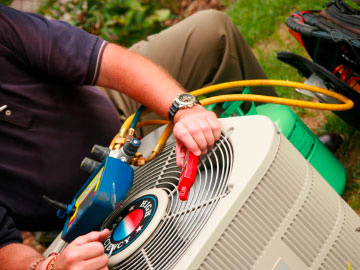
Outdoor units sit close to landscaping, driveways, patios, and changing weather, so objects can collect around the cabinet faster than expected. Leaves, twigs, seed pods, ice, or small yard debris may get pulled near the fan area while the heat pump runs. This can create scraping, rattling, thumping, or banging sounds as the fan blades move.
Blocked space around the unit can also reduce airflow, which may make the system sound strained during heating or cooling cycles. A quick visual check can help you spot obvious items around the unit, but anything caught inside the cabinet should be handled with care. Loud contact sounds should be inspected before the fan blade bends, the motor overheats, or airflow problems place extra stress on the system.
Debris Around the Outdoor Unit
Outdoor units sit close to landscaping, driveways, patios, and changing weather, so objects can collect around the cabinet faster than expected. Leaves, twigs, seed pods, ice, or small yard debris may get pulled near the fan area while the heat pump runs. This can create scraping, rattling, thumping, or banging sounds as the fan blades move.
Blocked space around the unit can also reduce airflow, which may make the system sound strained during heating or cooling cycles. A quick visual check can help you spot obvious items around the unit, but anything caught inside the cabinet should be handled with care. Loud contact sounds should be inspected before the fan blade bends, the motor overheats, or airflow problems place extra stress on the system.
Restricted Airflow from Dirty Filters or Blocked Vents
Air movement affects how hard your heat pump has to work, and restriction can make normal operation sound louder than it should. A clogged filter, closed supply vent, blocked return, or dirty coil can limit the airflow your system needs during each cycle. You may hear whistling, whooshing, humming, or a strained sound from the indoor equipment.
Comfort can also feel uneven because the system may struggle to move enough heated or cooled air through your home. Longer run times can follow, which may place added stress on the blower motor and other components. Checking filters and keeping vents open can help, but persistent noise should be inspected because the cause may sit deeper inside the system. A full airflow review can reveal whether the issue is simple maintenance, duct restriction, coil buildup, or another condition affecting performance.
Fan or Blower Motor Problems
Moving parts can create sharp warning sounds when wear, imbalance, or friction begins to affect performance. A squealing sound may point to belt strain, bearing wear, or a motor that is working harder than normal. Grinding can signal metal contact, worn bearings, or a blower wheel that has shifted out of position.
Repeated knocking may come from an unbalanced fan, loose wheel, damaged blade, or failing motor mount. These sounds matter because the fan and blower help move air through the system during every heating and cooling cycle. Continued operation with a severe noise can increase stress on nearby parts and may turn a smaller repair into a larger one. Professional diagnosis can identify whether the issue comes from the indoor blower, outdoor fan assembly, motor components, or related airflow strain.
Refrigerant or Pressure Issues
Unusual hissing, bubbling, or gurgling sounds can point to trouble inside the refrigerant side of the heat pump. Refrigerant moves heat in and out of your home, so pressure problems can affect comfort, efficiency, and system reliability. A leak, low refrigerant level, or restriction in the line can change how the system sounds during operation.
You may also notice weaker heating or cooling, longer cycles, ice buildup, or a drop in comfort from room to room. These issues require proper tools, training, and safe handling because refrigerant work should be completed by a qualified HVAC technician. A careful inspection can locate the source of the sound, check system pressures, and help prevent added strain on the compressor.
Electrical Component Trouble
Buzzing, clicking, or humming from a heat pump can come from electrical parts that are loose, worn, or starting to fail. Contactors, capacitors, relays, transformers, and wiring connections all help the system start, run, and respond to temperature calls. Once one of these parts weakens, the unit may struggle to start smoothly or may make a steady vibration while power moves through the circuit. You may also notice short cycling, delayed startup, burning odors, or repeated breaker trips. Electrical symptoms should be handled by a trained technician because the problem can involve live voltage and sensitive controls. A proper diagnosis can confirm which component is causing the sound and whether related parts have been affected.
Compressor or Serious Mechanical Wear
Harsh metal sounds deserve fast attention because they can point to deeper mechanical wear inside the heat pump. Grinding, clanking, banging, or heavy knocking may involve the compressor, motor bearings, fan assembly, or other stressed components. These sounds can appear after years of use, poor airflow, refrigerant problems, electrical strain, or worn parts that have gone unchecked. A compressor issue can also come with weak comfort, hard starts, short cycling, or sudden shutdowns. Since the compressor plays a major role in heat transfer, continued operation during severe noise can raise repair complexity. Shutting the system down and scheduling service is often the safest next step. A trained technician can separate a major mechanical issue from a smaller part failure and guide the right repair decision.
Frozen Coils or Defrost Cycle Problems
Cold weather can create louder heat pump operation when ice forms on the outdoor coil or the defrost cycle struggles to clear it. A brief whoosh, click, or shift in sound during defrost can be normal, but repeated banging, scraping, or heavy vibration may point to a problem. Ice buildup can restrict heat transfer and place strain on the fan, motor, and other components. You may also notice weaker heating, longer cycles, or visible frost that does not clear. This issue may come from sensor trouble, low refrigerant, drainage concerns, or airflow problems around the outdoor unit. Since several causes can overlap, a technician should inspect the system before the ice leads to added wear or reduced winter comfort.
Fix the Noise Before it Becomes a Bigger Repair
Loud heat pump noises can come from loose panels, outdoor debris, restricted airflow, fan or blower motor problems, refrigerant or pressure issues, electrical trouble, or serious mechanical wear. Each sound gives a clue about what may be happening inside the system. Rattling can point to loosened parts, while hissing may suggest pressure concerns. Buzzing, grinding, squealing, and banging deserve attention because they can affect comfort. Addressing the sound early can help limit strain and support safer operation.
At K & K Heating and Cooling, we help homeowners and businesses find the source of heat pump noise with careful HVAC service and repair. We service all major HVAC brands, and our diagnosis includes a complete analysis of your entire system. NATE-certified technicians explain what they find, present clear options, and avoid pressure during repair decisions. We strive for same-day repairs when parts are available, and most repairs include a one year parts and labor warranty.
Contact us today to schedule heat pump repair or HVAC service. We are ready to help restore quieter comfort.
FAQs
A loud rattling noise can come from loose panels, screws, brackets, debris, or internal parts that vibrate during operation. Outdoor debris near the fan can also create similar sounds. A technician can inspect the system, tighten loose components, and check whether the noise has caused extra wear.
Light humming or brief startup sounds may be normal, but grinding, banging, buzzing, hissing, or scraping should be checked. Severe noises may point to electrical trouble, refrigerant issues, fan problems, or mechanical wear. Turning the system off and scheduling service can help prevent added damage.
Yes, regular maintenance can reduce the chance of loud heat pump noises by keeping filters, coils, fans, motors, and electrical parts in better condition. A professional checkup can also catch loose parts, airflow restrictions, refrigerant concerns, and early wear before they become larger repair problems.