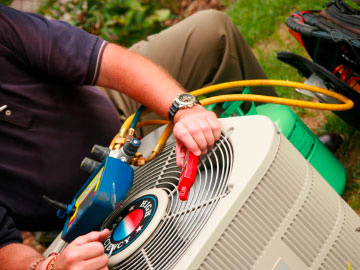
Ohio winters can bring freezing mornings, biting wind, and long stretches when your heating system rarely gets a break. That often leads homeowners to question heat pump cold weather performance. A heat pump does not burn fuel to create warmth in the same way as a furnace. Instead, it collects heat energy from the outdoor air and moves it inside. Modern cold-climate models can continue operating below freezing, although their output and efficiency change as conditions become harsher.
Quick Summary
Heat pumps move outdoor heat indoors, even when Ohio temperatures fall below freezing. Cold weather may reduce efficiency, but modern systems use variable-speed compressors, defrost cycles, and supplemental heat to maintain comfort. Proper sizing, clean filters, sound ductwork, and regular maintenance all support steady winter performance. Unusual noises, weak airflow, or heavy ice buildup may signal that the system needs attention.
What a Heat Pump Actually Does
A heat pump works more like an air conditioner that can run in both directions than a traditional heating appliance. During summer, it collects heat from inside your home and releases it outdoors. When winter arrives, a reversing valve changes the direction of the refrigerant flow, allowing the system to collect outdoor heat and carry it inside. This process lets one piece of equipment handle heating and cooling throughout the year.
The system is not trying to make cold outdoor air feel warm on its own. It searches for thermal energy that remains in the air, even when the temperature falls below freezing. Refrigerant inside the unit can absorb that low-level heat at very cold temperatures. The system then raises the refrigerant temperature before releasing the warmth through the indoor coil and ductwork.
How the Refrigerant Cycle Moves Heat Indoors
The outdoor coil starts the winter heating cycle by allowing cold refrigerant to absorb thermal energy from the surrounding air. As the refrigerant takes in heat, it changes into a gas and moves toward the compressor. The compressor places the gas under greater pressure, which raises its temperature. That hotter refrigerant travels to the indoor coil, where its heat moves into the air circulated through your home.
After releasing its heat indoors, the refrigerant cools and returns to a liquid state. It passes through an expansion device, which lowers its pressure and temperature before the cycle begins again. This continuous movement is why heat pump systems can warm a home without direct combustion. Electricity operates the compressor, fans, controls, and other working components rather than creating all the heat from scratch.
Why Cold Outdoor Air Still Holds Heat
An outdoor temperature of 20 degrees Fahrenheit may feel bitterly cold, but the air still contains thermal energy. A heat pump can draw from that energy as long as the refrigerant is colder than the surrounding air. Heat moves toward the colder refrigerant in the outdoor coil, then the compressor lifts that collected energy to a temperature suitable for indoor heating. The available amount becomes smaller as outdoor temperatures fall, so the system must work harder during severe weather.
Modern variable-speed and cold-climate units handle this challenge far better than many older systems. Their compressors can adjust output instead of running only at full power or shutting off completely. This smoother operation supports steadier indoor temperatures and reduces frequent starts and stops. Equipment selection still plays a major role, since a model intended for mild winters may not match the heating demands of a Northeast Ohio home.
What Changes as Ohio Temperatures Fall
As the outdoor temperature drops, the heat pump has less available warmth to collect. At the same time, your home loses heat more quickly through walls, windows, doors, and air leaks. This creates a wider gap between the amount of heat the house needs and the amount the equipment can move during each cycle. A correctly sized system addresses that gap through longer run times, variable compressor speeds, or supplemental heating support.
Longer operation during cold weather does not automatically signal a problem. Heat pumps often maintain comfort through steady cycles rather than the short, intense bursts associated with some furnaces. Still, sudden increases in noise, weak airflow, heavy ice buildup, or rooms that remain cold may point to a service issue. Regular HVAC maintenance can uncover dirty coils, restricted filters, airflow problems, refrigerant concerns, and electrical wear before winter demand exposes them.
Why Heat Pumps Enter Defrost Mode
Moisture in the outdoor air can collect on the heat pump coil and freeze during cold conditions. A thin layer of frost is normal, but heavy ice can block airflow and reduce the system’s ability to absorb heat. To manage this buildup, the equipment temporarily enters a defrost cycle. During that cycle, the refrigerant flow reverses so the outdoor coil can warm and melt the ice.
You may notice steam rising from the outdoor unit while this process takes place. The system may also make a different sound as it switches modes. These changes are usually normal and should last only a short time. However, thick ice that remains on the unit, frequent defrost cycles, or ice covering the fan may signal a mechanical or airflow problem.
How Supplemental Heat Supports the System
Some heat pump installations include a secondary heating source for very cold conditions. This may be an electric resistance heating element inside the air handler or a furnace in a dual-fuel system. The secondary source starts when the heat pump alone cannot match the home’s heating demand. It may also operate while the outdoor unit completes a defrost cycle.
Electric backup heat can warm a home quickly, though it normally uses more electricity than the heat pump. A dual-fuel system takes a different approach by switching to a gas furnace once the outdoor temperature reaches a set point. The right setup depends on the home, local utility rates, insulation, equipment size, and household comfort preferences. A technician can assess these factors and explain which configuration fits the property.
Signs Your Heat Pump May Need Attention
Heat pumps often run for longer periods during winter, so extended operation alone is not always a warning sign. However, airflow that suddenly feels weaker may point to a dirty filter, blower issue, or blocked duct. Unusual grinding, rattling, or buzzing sounds may indicate a loose part or electrical concern. A sharp rise in energy use can also suggest that backup heat is running more often than expected.
Indoor temperature changes deserve attention as well. If some rooms remain cold while others feel comfortable, the issue may involve ductwork, airflow balance, or equipment capacity. Outdoor ice that does not clear after a defrost cycle should also be inspected. Addressing these signs early can limit stress on the equipment and help avoid a larger repair during severe weather.
How K & K Heating and Cooling Can Help
At K & K Heating and Cooling, we service all major HVAC brands and examine the entire system during every diagnosis. Our NATE-certified technicians stay current with ongoing training, so they can identify equipment issues, explain the condition of the system, and present practical options. We do not pressure customers into a repair or replacement. Instead, we help you understand the available choices so you can decide what works best for your home and budget.
As a locally and family-owned company, we focus on professional, red carpet service from the first call through the completed work. We strive for same-day repairs when the needed parts are available, and most repairs include a one-year warranty on parts and labor. Maintenance and timely service can support lower annual repair costs, better energy use, longer equipment life, and more reliable heat pump cold weather operation. Our team can also discuss financing options for qualifying equipment purchases.
Stay Comfortable Through the Ohio Winter
Heat pumps can work effectively during Ohio winters when the equipment is selected correctly, installed properly, and maintained throughout the year. Cold temperatures change how the system operates, but features such as variable-speed compressors, defrost cycles, and supplemental heat help maintain indoor comfort. Paying attention to airflow, ice buildup, unusual sounds, and energy use can help you spot problems before they interrupt your heating. Schedule an appointment with K & K Heating and Cooling today to have your heat pump inspected by a trained local technician.
FAQs
Yes, modern heat pumps can continue heating a home below freezing, though output may decrease as temperatures fall.
Longer cycles help the system maintain steady indoor temperatures when less heat is available outdoors.
A light layer of frost is normal, but thick ice that does not clear may indicate a defrost or airflow problem.