Northeast Ohio does not ease into cold weather. One week you are running the AC in the afternoon, and the next you are digging out a sweater for the morning commute. That kind of quick turn is exactly why a fall HVAC tune-up matters before your furnace has to carry the full weight of winter.
A system that sat idle all summer needs a chance to prove it still works the way it should, and catching small issues now is easier than dealing with a cold house in January. This checklist walks through what to check, what to clean, and what to leave to a professional before the temperature drops for good.
Quick Summary
Fall prep for a home’s HVAC system combines simple homeowner checks with tasks that need a trained technician. Filters, outdoor unit clearance, thermostat settings, and carbon monoxide detectors are easy to handle yourself, while heat exchangers, gas connections, and combustion checks require professional attention. Scheduling a tune-up in September or early October avoids the wait times that come once cold weather hits, and it catches small issues before they turn into a winter breakdown.
Fall HVAC Tune-Up and Checklist: Where to Start Around Your Home
Before calling anyone out, check a few things yourself. These do not take long, and they give you a general sense of whether your system needs closer attention.
Start with your filter. A dirty filter restricts airflow and makes your furnace work harder than it needs to, which affects both comfort and energy use. If you haven’t changed it in a few months, this is the easiest fix on the list.
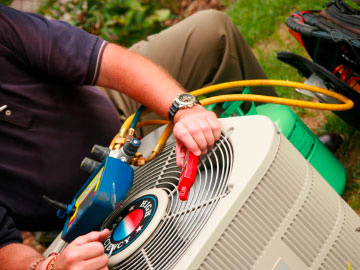
Walk around your outdoor unit next. Leaves, grass clippings, and debris build up over the summer, and clearing a foot of space around the unit helps it breathe properly once it kicks back into use for heating season.
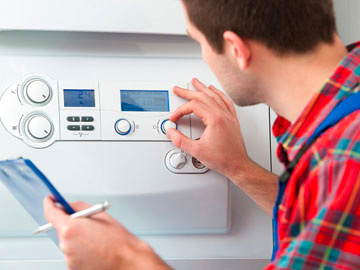
Check your thermostat batteries and settings while you are at it. A thermostat running on low batteries or an outdated schedule can throw off how your whole system behaves once the weather turns. what fits your current furnace and ductwork before adding anything new.
Inside the Home: Vents, Ducts, and Air Quality
Once you’ve covered the outdoor basics, the next part of the checklist moves indoors.
Walk through each room and check your vents. Furniture, rugs, and curtains can drift in front of vents over the summer, and blocked airflow makes your system work harder to heat the same space.
Look at your ductwork where it is visible, especially in a basement or crawlspace. Loose connections or visible gaps let heated air escape before it reaches your rooms, which shows up later as higher energy bills and uneven temperatures.
Consider your air quality setup too. If your home has a humidifier, it may need a filter change or a general check before you put it back into regular use. The same goes for any air purification equipment connected to your system.
HVAC Fall Prep Checklist Ohio Homeowners Should Not Skip
Some parts of fall prep are easy to do yourself, while others benefit from a trained eye. Here is a general breakdown:
- Filter replacement: Check and replace filters monthly during peak heating season, not just once in the fall.
- Outdoor unit clearance: Keep at least twelve inches of clear space around any outdoor equipment tied to your system.
- Thermostat check: Confirm settings, batteries, and programming match your household’s actual schedule.
- Carbon monoxide detectors: Test detectors near sleeping areas, since furnace use increases the risk if combustion is off.
- Professional inspection: A trained technician can check components that are not visible or safe to test on your own, like heat exchangers and gas connections.
Handling the first four yourself is reasonable for most households. The last one is worth scheduling before the season gets busy for everyone else too.
Why Professional Furnace Maintenance Matters
A homeowner checklist covers a lot, but some parts of a furnace aren’t meant to be opened without training. Heat exchangers, gas lines, and electrical connections carry real risk if something is missed, and a small crack or loose wire is not always visible from the outside.
Regular maintenance makes a difference. A technician checks combustion, tests safety controls, and looks at components that wear down slowly over years of use. A filter change or a quick vacuum around the vents won’t catch these issues.
Homeowners sometimes ask whether HVAC maintenance plans are worth it, especially if the system seems to be running fine. A maintenance plan generally covers this kind of seasonal inspection automatically, taking scheduling off your plate and keeping checkups consistent year after year.
Timing Your Tune-Up Before Peak Season
Scheduling matters as much as the checklist itself. Waiting until the first cold snap means competing with every other household in the region for the same appointment slots.
A fall HVAC tune-up done in September or early October gives a technician time to catch problems while parts are still available and schedules are still open. It also means your furnace gets tested before you actually depend on it, rather than during the first genuinely cold week when a breakdown is far more inconvenient.
Systems that ran all summer on cooling mode have had months without heating cycles. A quick inspection confirms the switch to winter operation goes smoothly, rather than finding something off on the coldest night of the month.
What a Missed Tune-Up Can Lead to
Skipping fall prep does not always cause an immediate problem. Systems often limp along for a while before something fails outright.
More often, the result is a furnace that runs less efficiently than it should, driving up energy bills without an obvious cause. Small issues, like a dirty flame sensor or a slightly clogged filter, do not always announce themselves loudly. They just make your system work harder in the background.
K & K Heating and Cooling has worked with homeowners across Parma and the surrounding Northeast Ohio communities long enough to see how often a missed fall checkup turns into a bigger repair once winter sets in. Our technicians walk through the full system during a visit, so nothing gets overlooked before the season changes.
Getting Your Home Ready for Colder Days Ahead
A fall checklist does not need to be complicated to be useful. Checking filters, clearing debris, testing your thermostat, and scheduling a professional inspection covers most of what your system needs before winter arrives in full.
Taking care of these steps now means fewer surprises later, when a cold house is the last thing anyone wants to deal with. If it has been a while since your last checkup, contact K & K Heating and Cooling to schedule a visit.
FAQs
September or early October works well, before demand picks up. Scheduling early also means parts are more likely to be in stock if something needs replacing.
You can handle filters, thermostat checks, and clearing debris around the outdoor unit. Components like heat exchangers and gas connections need professional testing for safety.
Many plans include a seasonal inspection as part of the package. This removes the need to remember scheduling it separately each year.
A system can develop small issues while sitting unused over summer. A checkup catches those problems before the furnace needs to run continuously.
Over time, materials shift or connections loosen. Left unaddressed, gaps let heated air escape and can raise energy bills.