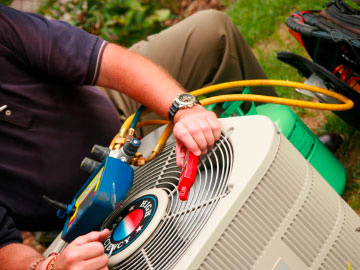
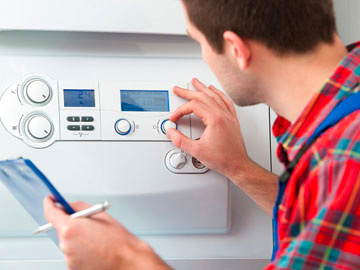
As a homeowner, you want your heating system to perform efficiently and provide comfort without interruption. Knowing when to replace furnace can make the difference between a warm, cozy home and frustrating, unexpected breakdowns. Regularly checking the condition of your furnace is a smart investment that will save you from higher energy bills and costly repairs down the line. Recognizing the signs early, you can avoid potential issues and make informed decisions about your heating system’s future.
As a homeowner, you want your heating system to perform efficiently and provide comfort without interruption. Knowing when to replace furnace can make the difference between a warm, cozy home and frustrating, unexpected breakdowns. Regularly checking the condition of your furnace is a smart investment that will save you from higher energy bills and costly repairs down the line. Recognizing the signs early, you can avoid potential issues and make informed decisions about your heating system’s future.
Increased Heating Bills Without Any Explanation
A sudden rise in your heating bills, without any obvious changes in how you’re using your furnace, is a sign of declining efficiency. When a furnace loses its ability to distribute heat effectively, it works harder to maintain the desired temperature. This added strain causes your energy consumption to rise, leading to higher utility costs. Over time, the strain on the furnace components will cause them to wear down, contributing to further inefficiencies and increased operational costs that can be avoided with timely replacement.
Furnace Is More Than 15 Years Old
If your furnace is older than 15 years, it’s likely nearing the end of its lifespan. Older furnaces often require more frequent repairs and lose efficiency compared to newer models. While regular maintenance can extend a furnace’s life, aging units simply can’t compete with the performance and energy savings of modern systems. Homeowners with outdated furnaces should consider replacement before they face an unexpected breakdown, as newer systems will provide better heating performance, greater reliability, and significant cost savings in the long run.
Frequent Repairs and Maintenance Are Needed
If your furnace is constantly needing repairs, it may be time to consider replacing it. Frequent repairs are a clear indication that the system is struggling to perform efficiently, and the cost of these repairs can quickly add up. Continuously fixing an old or failing unit often ends up being more expensive than investing in a new furnace that operates without issues. A reliable heating system should provide consistent comfort without the need for multiple service calls throughout the season, and ongoing problems are a clear sign of a declining system.
Another sign that your furnace needs to be replaced is if maintenance visits are required more often than in the past. While routine maintenance is necessary for any HVAC system, excessive maintenance signals deeper issues. If you’re spending more on repairs and parts than on regular tune-ups, it’s time to weigh the long-term benefits of a new furnace. A replacement can offer peace of mind, knowing that your heating system is reliable and won’t cause interruptions in comfort.
Uneven Heating Throughout Your Entire Home
If you notice that some rooms in your home are significantly warmer or cooler than others, your furnace might be struggling to dispense heat consistently. Uneven heating is often a sign that your furnace’s blower motor is wearing down, or that the system is no longer capable of pushing warm air throughout the home. These issues can lead to uncomfortable living conditions and higher energy bills, as the furnace works overtime trying to compensate for the inconsistency. Replacing the furnace will restore balanced heating and improve comfort across your entire home.
Strange Noises Coming From Your Furnace Unit
Unusual noises coming from your furnace, such as banging, rattling, or screeching, can be a sign of serious mechanical issues. These sounds are often caused by worn-out components like the blower motor, belt, or fan. While some noises can be fixed with minor repairs, persistent or loud sounds usually indicate that the furnace is nearing the end of its life. If left unaddressed, these mechanical issues can lead to a complete system breakdown, making it necessary to replace the unit before more damage occurs.
Furnace Is Producing Excessive Dust or Soot
If you find that your furnace is producing an unusual amount of dust or soot, it may be time for a replacement. Excessive dust can indicate that the system’s filters or ducts are not functioning properly, leading to poor air quality inside your home. This can cause discomfort for those with allergies or respiratory issues, as dust and debris are circulated throughout the house. When your furnace is no longer able to keep the air clean and healthy, it’s a sign that the system is failing and should be replaced for better air quality.
Another cause for concern is the appearance of soot near your furnace or around vents. Soot buildup is a sign that your furnace is not burning fuel efficiently, which can lead to hazardous conditions in your home. Poor combustion in the furnace not only increases the risk of carbon monoxide leaks but also reduces heating efficiency, leading to higher energy bills and unsafe living conditions. Replacing a furnace that produces soot is crucial for maintaining a healthy and safe indoor environment.
Furnace Cycles On and Off Frequently
A furnace that frequently cycles on and off is a sign that it’s struggling to maintain a consistent temperature. This issue, known as short cycling, occurs when the furnace overheats and shuts down to prevent damage. Short cycling not only reduces the system’s efficiency but also puts unnecessary wear on its components, leading to more frequent breakdowns. If your furnace is cycling on and off more than usual, it may be time to replace the system before it fails completely.
Pilot Light Is Yellow Instead of Blue
A well-functioning furnace must have a blue pilot light, which indicates that the gas is burning cleanly and efficiently. If you notice that the pilot light has turned yellow, this could be a sign of a gas leak or other combustion-related issues. A yellow flame is caused by an improper mixture of gas and air, which can lead to the production of carbon monoxide—a dangerous and potentially deadly gas. For your safety, it’s essential to replace a furnace with a yellow pilot light to prevent hazardous conditions.
Furnace Blower Runs Continuously Without Stopping
If your furnace’s blower is running continuously without shutting off, it could be a sign that the system’s limit switch is malfunctioning. The limit switch controls the blower motor, and when it fails, the blower may run non-stop, causing unnecessary wear on the system. A constantly running blower not only wastes energy but also indicates that the furnace is not working efficiently. Replacing the system will resolve this issue and restore the furnace to proper working order, ensuring better heating performance and lower energy costs.
Family Members Experience Allergy or Respiratory Issues
If your family members are experiencing increased allergy or respiratory issues, it could be due to poor indoor air quality caused by a failing furnace. An old or malfunctioning furnace can circulate dust, allergens, and other pollutants throughout your home, leading to health problems for those living there. Replacing your furnace with a modern, high-efficiency system can improve air quality and create a healthier living environment, reducing the occurrence of allergy and respiratory symptoms.
Thermostat Adjustments Are Not Impacting Temperature
If adjusting the thermostat no longer results in noticeable changes in your home’s temperature, your furnace might be struggling to keep up with demand. This could be due to wear and tear on the furnace’s internal components, making it less effective at producing heat. When a furnace is no longer able to respond to thermostat adjustments, it’s a clear sign that the system needs to be replaced to restore comfort and energy efficiency to your home.
Humidity Levels in Your Home Feel Uncomfortable
If your home’s humidity levels feel too high or too low, it may be due to a furnace that’s not functioning properly. A well-maintained furnace should help control humidity, but as the system ages or malfunctions, it can struggle to maintain balanced moisture levels in the air. Excessive dryness or dampness can lead to discomfort and even health issues, such as dry skin or respiratory problems. Replacing the furnace can help restore proper humidity control, making your home more comfortable year-round.
Furnace Is Emitting Unusual or Foul Odors
If you notice strange or foul odors coming from your furnace, it could indicate a serious issue with the system’s operation. Unusual smells, such as burning, musty, or rotten egg odors, can signal anything from an electrical problem to a gas leak. These issues are not only dangerous but also indicate that the furnace is no longer functioning properly. Replacing a furnace that emits unusual odors is necessary to ensure the safety and comfort of your home.
Some odors can also be caused by mold or mildew buildup in the furnace, especially if the system has been operating inefficiently for a long period. Mold growth can affect indoor air quality and create an unpleasant living environment. If your furnace is producing musty smells or any other unusual odors, it’s time to consider replacing it to improve air quality and eliminate potential health hazards in your home.
Rising Energy Costs Despite Thermostat Control
If you’re experiencing rising energy costs even though you’re not adjusting the thermostat frequently, your furnace may be losing efficiency. When a furnace starts to fail, it uses more energy to maintain the same level of heat, leading to higher utility bills. Even with proper thermostat settings, an inefficient furnace will continue to drain energy. Replacing an old furnace with a new, energy-efficient model will help reduce your energy bills and improve the overall heating performance of your home.
Poor Air Quality Circulating Throughout Your Home
A failing furnace can negatively impact the air quality inside your home. If you notice more dirt, dust, or allergens circulating in the air, it may be because your furnace is no longer able to filter and clean the air effectively. Poor air quality can lead to respiratory issues and other health problems, especially for those with allergies or asthma. Replacing the furnace with a modern system equipped with advanced filtration technology will help improve indoor air quality and create a healthier living space for you and your family.
Rust or Corrosion Found on Furnace Components
Rust or corrosion on your furnace’s components is a clear sign that the system is deteriorating and may need to be replaced. Over time, exposure to moisture and the wear and tear of regular use can cause metal parts to rust, which weakens the furnace’s overall structure. If you spot rust or corrosion, it’s important to address the issue promptly, as it can lead to further damage or even complete system failure. A new furnace will eliminate this risk and provide reliable heating for years to come.
Furnace Struggles to Maintain Desired Temperature
If your furnace is having trouble keeping your home at the desired temperature, it’s likely that the system is losing efficiency. As furnaces age, their ability to generate and distribute heat decreases, leading to uneven temperatures throughout the house. If you find yourself constantly adjusting the thermostat or noticing that your home feels colder than it should, it’s time to consider replacing the furnace. A new system will provide more consistent heating and better comfort in every room.
Energy Efficiency Is Declining Noticeably Over Time
If you’ve noticed a decline in your furnace’s energy efficiency, it’s a sign that the system is nearing the end of its life. Older furnaces tend to use more energy as they age, even if they’re still producing heat. This inefficiency not only leads to higher utility bills but also puts additional strain on the furnace’s components, increasing the likelihood of a breakdown. Replacing your furnace with a newer, energy-efficient model will save you money on energy costs and provide better overall performance.
Reliable HVAC Service & Repair Experts: Contact K & K Heating & Cooling
Keeping your furnace in top shape is critical to ensuring the comfort and safety of your home. If you’re unsure when to replace furnace, trust the professionals at K & K Heating & Cooling to help. Our team of HVAC service and repair specialists provides fast, reliable solutions accompanied with a one-year warranty, to keep your heating system running smoothly. Whether you need routine maintenance or are ready for a complete furnace replacement, our HVAC repair experts are here to ensure your system operates efficiently within the same day. Contact K & K Heating & Cooling today to schedule your service.