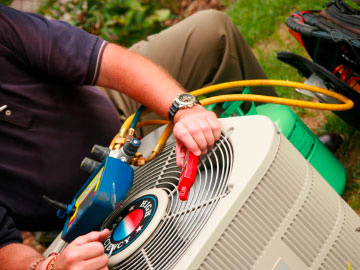
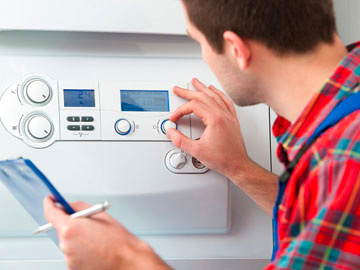
When homeowners think about their heating and cooling systems, they often focus on one simple question: Is my home comfortable?
While comfort is certainly important, true HVAC performance involves much more than reaching a desired temperature. A high-performing system maintains consistent comfort, controls humidity, circulates air properly, operates efficiently, and responds reliably throughout the year.
When performance declines, homeowners may notice uneven temperatures, rising utility bills, excessive dust, poor airflow, or frequent breakdowns. These symptoms often indicate underlying issues that affect how the entire system operates.
Understanding what influences HVAC performance can help homeowners identify problems early and make informed decisions about maintenance and repairs.
Quick Summary
HVAC performance depends on several factors working together, including airflow, system sizing, ductwork condition, refrigerant levels, thermostat settings, and routine maintenance. When any of these components are not functioning properly, homeowners may experience reduced comfort, higher energy bills, uneven temperatures, and increased equipment wear. Regular maintenance, timely repairs, and professional system evaluations can help identify issues early and improve overall efficiency. Understanding what affects HVAC performance allows homeowners to make informed decisions that promote reliable operation, better indoor comfort, and longer equipment life.
Airflow: The Foundation of System Performance
Airflow is one of the most important factors affecting any heating and cooling system.
Your HVAC equipment relies on a steady movement of air through supply ducts, return ducts, filters, coils, and vents. When airflow becomes restricted, the system must work harder to distribute conditioned air throughout the home.
Even small airflow problems can reduce comfort and increase operating costs.
Common airflow restrictions include:
- Dirty air filters
- Blocked supply vents
- Closed registers
- Furniture covering returns
- Damaged ductwork
- Dust accumulation inside components
When airflow decreases, system efficiency often decreases as well.
How Dirty Air Filters Affect Performance
As filters collect dust, pet hair, pollen, and airborne debris, they gradually become more restrictive. The HVAC system then struggles to move air through the home efficiently.
Homeowners may notice:
- Reduced airflow from vents
- Longer run times
- Higher energy usage
- Increased indoor dust
- Reduced comfort
In some cases, severe airflow restrictions can even contribute to frozen evaporator coils during cooling season.
Regular filter replacement remains one of the most effective ways to maintain consistent system operation.
Why Proper System Sizing Matters
Many homeowners assume that larger equipment automatically delivers better performance.
In reality, proper sizing is one of the most important aspects of HVAC design.
Oversized systems often short cycle, meaning they turn on and off frequently. This reduces humidity control, increases wear on components, and creates uneven temperatures throughout the home.
Undersized systems create a different challenge. They may run continuously during periods of extreme weather while struggling to reach the desired temperature.
Proper sizing balances comfort, reliability, and HVAC energy efficiency by matching equipment capacity to the home’s actual heating and cooling demands.
The Role of Ductwork in HVAC Performance
Ducts distribute conditioned air throughout the home. If leaks, loose connections, damaged sections, or insulation issues exist, significant amounts of heated or cooled air may never reach the intended living spaces.
Poor ductwork can contribute to:
- Uneven temperatures
- Weak airflow
- Increased utility costs
- Excessive system run times
- Reduced indoor comfort
Many homeowners focus on the equipment itself while overlooking the distribution system that delivers conditioned air throughout the house.
How Refrigerant Levels Impact Cooling Performance
When refrigerant levels drop because of leaks or other issues, the system loses cooling capacity and places additional strain on key components.
Low refrigerant levels may cause:
- Longer cooling cycles
- Reduced cooling output
- Higher electricity consumption
- Ice accumulation on coils
- Compressor stress
Because refrigerant operates within a sealed system, low levels generally indicate an underlying issue that requires professional attention.
Simply adding refrigerant without identifying the source of the problem rarely delivers a lasting solution.
Can Thermostat Settings Affect HVAC Operation?
Setting the thermostat significantly lower during hot weather does not cool the home faster. Instead, it often forces the equipment to run longer while increasing system workload.
Modern programmable and smart thermostats help maintain more consistent indoor conditions while reducing unnecessary operation.
Reasonable temperature settings allow equipment to operate more effectively while helping homeowners manage energy consumption throughout the year.
Why Seasonal Maintenance Matters
Dust accumulates, components age, airflow changes, and minor issues gradually develop. Without routine inspections, small concerns can become larger problems.
Regular seasonal HVAC maintenance helps identify performance issues before they lead to costly breakdowns.
Maintenance visits often include:
- Filter inspection
- Coil cleaning
- Electrical component checks
- Refrigerant evaluation
- Airflow assessment
- Thermostat testing
- Safety inspections
Routine service helps maintain comfort while reducing the likelihood of unexpected failures during peak heating and cooling seasons.
What Does High-Efficiency HVAC Performance Look Like?
HVAC high efficiency is not solely determined by equipment ratings. Even premium equipment can perform poorly if airflow is restricted or maintenance is neglected.
A high-performing system typically demonstrates:
- Consistent temperatures throughout the home
- Balanced airflow
- Stable humidity levels
- Reasonable utility costs
- Quiet operation
- Reliable heating and cooling performance
When all system components work together properly, homeowners often experience greater comfort with fewer operating issues.
Signs You Need Professional HVAC Attention
Common signs you need HVAC professional assistance include:
- Rising utility bills
- Uneven room temperatures
- Weak airflow
- Frequent cycling
- Excess indoor humidity
- Unusual noises
- Ice formation on equipment
- Persistent comfort complaints
In many cases, these issues can be diagnosed and corrected through professional HVAC service & repair, helping restore proper HVAC performance and system efficiency.
How HVAC Repair Restores Performance
In many situations, targeted HVAC repair services can restore system operation and improve comfort.
Repairs may involve:
- Replacing worn components
- Addressing refrigerant leaks
- Correcting airflow restrictions
- Repairing ductwork issues
- Resolving thermostat problems
A thorough evaluation helps identify the root cause rather than simply addressing symptoms.
A Complete Approach to Home Comfort
At K & K Heating and Cooling, we look beyond individual symptoms and evaluate how your entire HVAC system works together.
For homeowners experiencing ongoing HVAC performance issues, K & K Heating and Cooling provides detailed system evaluations designed to identify root causes rather than just symptoms.
Whether you need maintenance, repairs, or guidance on HVAC sales & install, we are here to help you improve comfort, efficiency, and reliability with professional service you can trust. Contact K & K Heating and Cooling today.
FAQs
Most homeowners should check their filters monthly and replace them every one to three months, depending on filter type, household occupancy, and indoor air quality conditions.
Yes. Dust buildup, leaks, and damaged duct sections can restrict airflow and reduce the amount of conditioned air reaching different areas of the home.
Several factors can contribute to longer run times, including dirty filters, low refrigerant levels, airflow restrictions, thermostat issues, or equipment sizing concerns.